






Why UV Protection Matters: How to Keep Dashboards, Leather, and Plastics Looking New
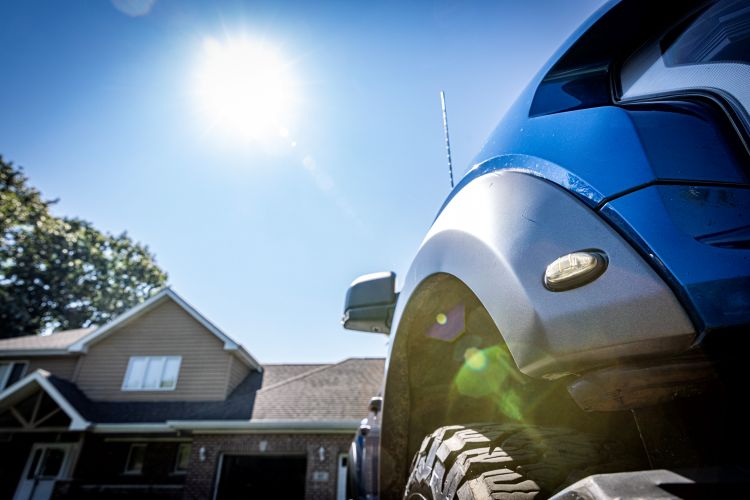
Sun damage does not happen all at once. It builds slowly, day after day, every time a vehicle sits in direct sunlight. What starts as a slightly dull dashboard or a seat that feels a little dry can turn into fading, discoloration, brittleness, and eventually cracks that are expensive, if not impossible, to reverse. For consumers, protecting interior surfaces is not just about appearance. It is also about preserving comfort, extending the life of materials, and maintaining resale value. That is why understanding UV damage and using the right protectant matters.
What UV Damage Does to Dashboards, Leather, and Plastics
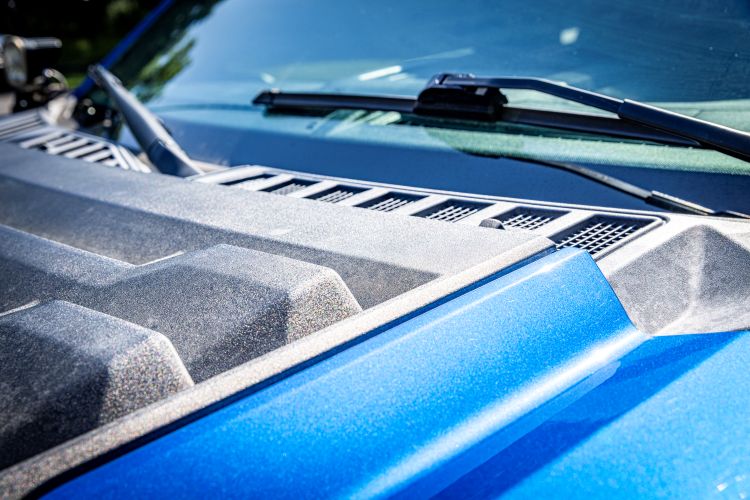
Ultraviolet rays break down materials at the surface level and below it. On dashboards and trim, UV exposure weakens the polymers that keep plastics flexible, which can leave them chalky, brittle, warped, or cracked over time. Leather is vulnerable, especially in sun-heavy climates, because heat and UV exposure dry out its protective finish, causing color loss, stiffness, and surface cracking. Vinyl and other plastic-based interior materials can fade, dry out, and lose their original texture. Add high cabin temperatures to the mix, and the damage accelerates. Repeated heating and cooling cycles stress adhesives, coatings, and layered materials, which is why interiors often age faster than owners expect.
How to Prevent Cracking and Fading
The best way to prevent UV damage is to combine smart habits with consistent surface protection. Parking in a garage or shaded area helps immediately. Using a windshield sunshade reduces direct exposure on the dashboard, steering wheel, and upper seat surfaces. Keeping interiors clean also matters, because dust and grime can trap heat and make surfaces degrade faster. But the biggest difference comes from using a quality protectant designed specifically for UV-sensitive materials. A true protectant creates a barrier that helps block sun damage, restore a newer-looking finish, and reduce the drying effects of heat. The goal is not to make surfaces shiny or slick; it is to keep them stable, clean, and protected over time.
Signs It Is Time to Restore or Replace
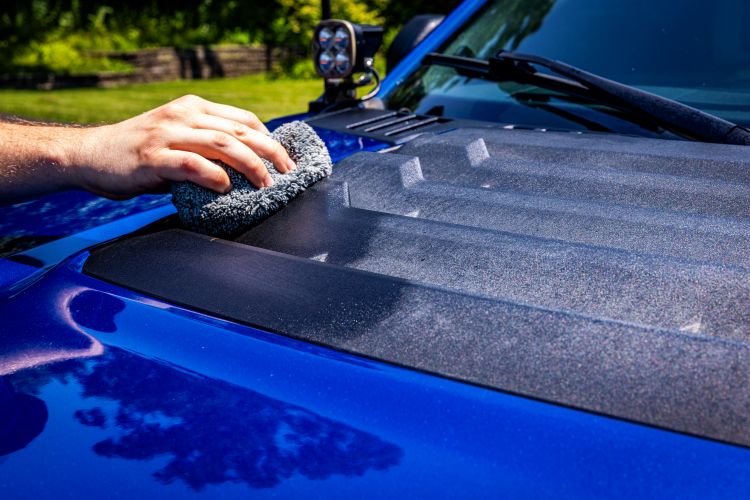
Some signs of UV wear are cosmetic at first, but they usually point to deeper deterioration. If dashboards look faded, gray, or powdery, the surface is already breaking down. If leather feels stiff or loses its natural color, the finish may be drying out. Plastics that feel dry, brittle, or overly glossy can also signal material degradation. Once you see small cracks, peeling, curling edges, or warped trim, restoration becomes much harder. At that stage, some surfaces may need repair or replacement rather than simple conditioning. The lesson for consumers is simple: protection is far more affordable than restoration. Starting early helps avoid the point where replacement is the only real fix.
What Products Protect Against UV Rays?
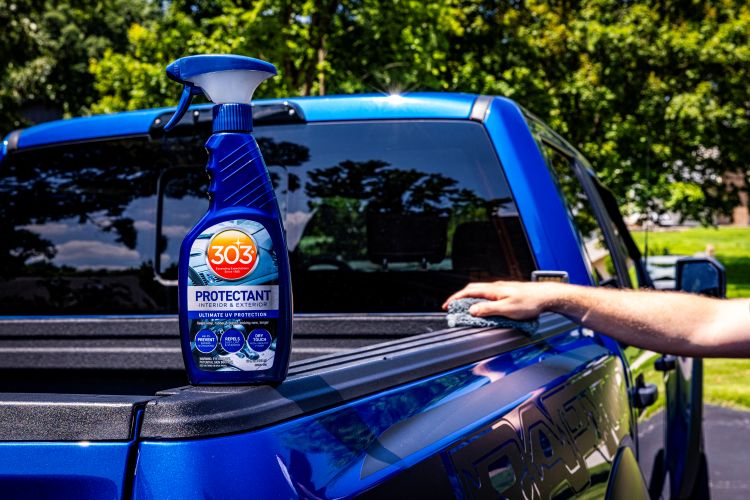
Not every interior spray or dressing is built for real UV defense. Many products clean well or add shine, but do little to protect against fading and cracking. Consumers should look for a protectant specifically formulated for vinyl, rubber, plastic, and finished leather, with clear UV-blocking benefits and a finish that dries matte rather than oily. Water-based protectants are especially appealing because they help protect surfaces without leaving behind the greasy residue that can attract dust or create glare on dashboards. Products like 303 Aerospace Protectant were developed for this purpose: to deliver strong UV protection while maintaining a natural-looking finish on the surfaces that take the most abuse from the sun.
Water-Based vs. Silicone-Based Protectants
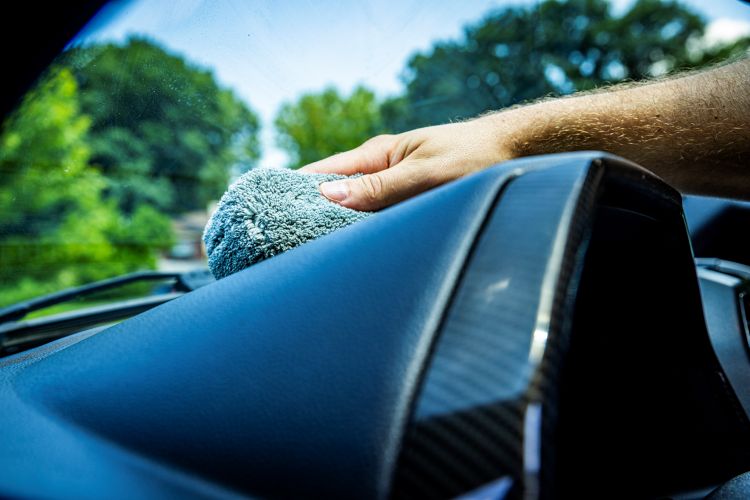
This is where consumers often get confused. A glossy finish can make it seem like a product is “working,” but shine is not the same as protection. Silicone-based products may leave surfaces looking darker or shinier right away, yet they can also feel greasy, attract dust, create an artificial finish many drivers do not want, and may even damage the surface over time. Water-based formulas, by contrast, are typically preferred because they are designed to protect and restore without leaving an oily film. A quality water-based protectant provides a cleaner, drier finish that looks more like the original surface while helping prevent drying, fading, and cracking.
Why DIY Hacks Like Petroleum Jelly and Heat Guns Do Not Work
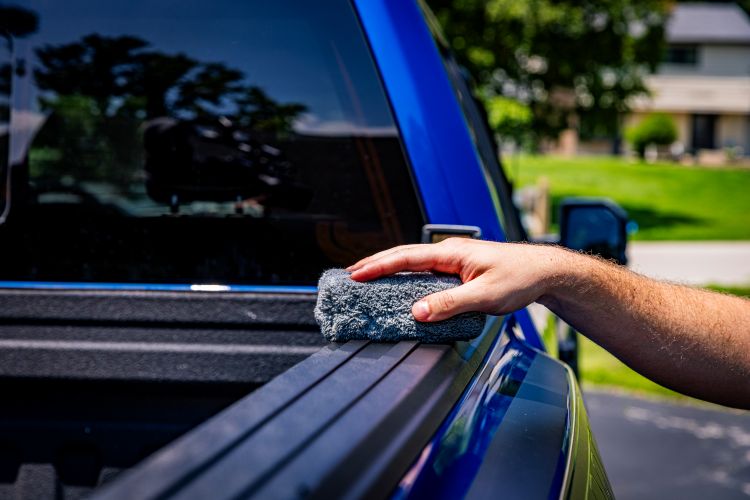
When consumers notice a faded dashboard or dry plastic trim, it is tempting to reach for whatever is in the garage. But quick-fix hacks usually create more problems than they solve. Petroleum jelly can leave behind heavy residue, increase shine in an unnatural way, and attract dust rather than protect against UV damage. They may temporarily mask dryness, but they do not provide the kind of long-term surface defense interior materials. Heat guns are even riskier. While they may appear to darken or “restore” plastic for a short time, they can overheat surfaces, distort materials, and accelerate aging if used improperly. These hacks treat symptoms, not causes. For long-term results, consumers need products made specifically to clean, protect, and preserve automotive surfaces.
What Consumers Should USE INSTEAD
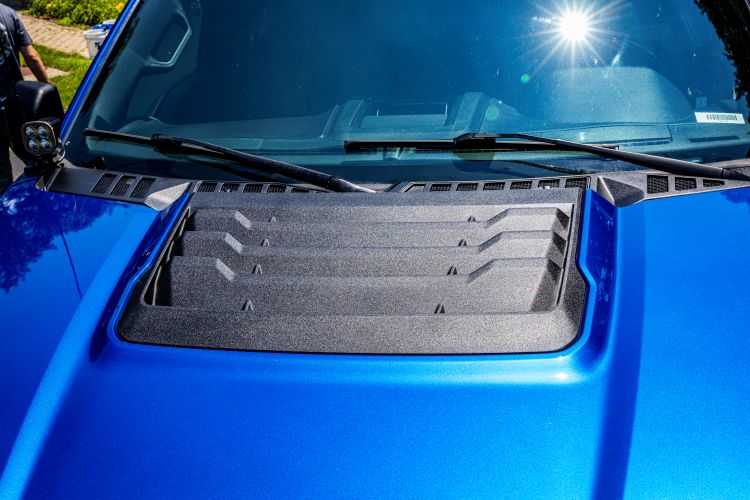
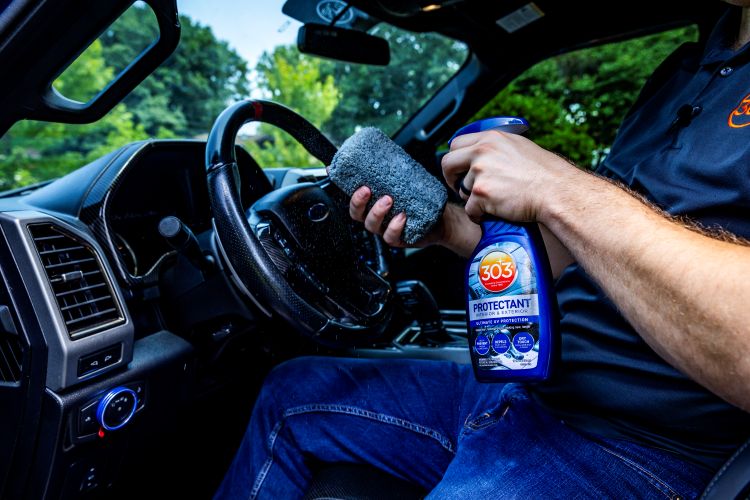
For most consumers, the right choice is a purpose-built UV protectant that is safe for multiple interior and exterior surfaces. That means looking for a product that works on dashboards, door panels, trim, vinyl, rubber, and finished leather, and that offers real UV defense with a non-greasy finish. 303 Automotive Protectant fits that need because it is a water-based formula that was engineered to protect UV-sensitive surfaces while also restoring color and luster. We recommend using it after using a residue-free cleaner to ensure that the surface is prepped for optimal bonding of the protectant. In short, consumers should skip the hacks and choose a protectant that is designed to preserve, not just dress up, the materials they rely on every day.
The History Behind 303 Aerospace Protectant
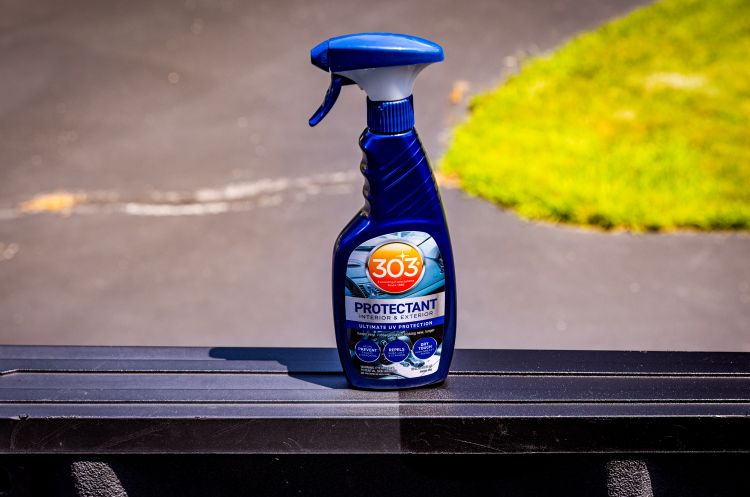
303 Products has built its reputation on one core promise: proven protection. Since 1980, the brand has focused on helping consumers preserve vehicles, boats, and outdoor surfaces that are constantly exposed to the elements. Its flagship product, 303 Aerospace Protectant, was originally engineered to protect aircraft rubber wing boots at high altitudes, where UV exposure and environmental stress are especially intense. That origin story matters because it explains why the product was created in the first place: not to add shine, but to solve a real durability problem. Over time, the same protective technology that worked in demanding aerospace conditions found a natural home in automotive, marine, RV, and outdoor applications, giving consumers a trusted way to defend surfaces against premature wear.
Today, that history continues to shape the way consumers think about protection. Dashboards, leather, plastics, and trim all face the same basic challenge: daily exposure to sunlight, heat, and wear. The right product helps stop that damage before it becomes permanent. For drivers who want interiors to stay clean, comfortable, and closer to factory-fresh, consistent UV protection is one of the smartest maintenance steps they can take. And for a brand like 303 Products, that mission goes beyond appearance. It is about helping people protect the things they invest in so they last longer, perform better, and keep looking their best.
Final Takeaway: Protect Early to Prevent Costly Damage
UV protection for car interiors is one of the simplest ways to preserve the surfaces drivers use every day. By cleaning regularly, limiting sun exposure, and applying a quality water-based protectant, consumers can help prevent fading, cracking, dryness, and long-term material damage. Instead of waiting until dashboards, leather, vinyl, or plastic surfaces look worn out, protect them early so they stay closer to factory-fresh for longer.