






Lawn Mower Troubleshooting Guide: Problems, Fixes & Maintenance
Nothing slows down lawn care season faster than a lawn mower that refuses to start, sputters unexpectedly, or loses power in the middle of a job. Fortunately, many common mower issues can be diagnosed and resolved with a few basic maintenance checks.
At STA-BIL, we know that proper fuel care and routine maintenance are the keys to reliable engine performance. Before assuming your mower needs expensive repairs, start by checking a few critical components that often cause problems: spark plugs, carburetors, air filters, fuel systems, and blades.
Here’s a practical troubleshooting guide to help keep your mower running smoothly all season long. 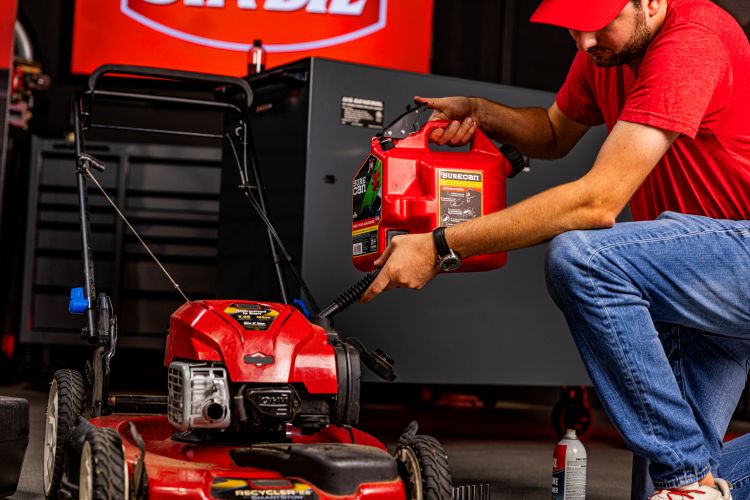
Start with the Basics
Before diving into specific engine components, perform a quick inspection.
Ask yourself:
- Is there fresh fuel in the tank?
- Is the fuel shutoff valve open (if equipped)?
- Is the spark plug wire securely connected?
- Is the air filter clean?
- Does the mower have enough oil?
- Is the blade free of grass buildup or debris?
Many starting and performance issues stem from simple oversights or neglected maintenance. Taking a few minutes to inspect these items can save significant time and frustration.
Oil
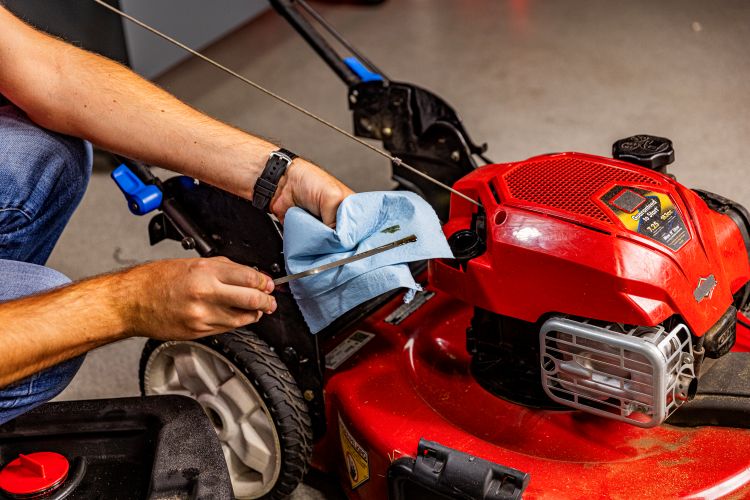
Engine oil is the lifeblood of your mower’s engine. It lubricates moving parts, reduces friction, helps dissipate heat, and protects internal components from wear and corrosion. Without clean oil at the proper level, an engine can run hotter, wear prematurely, and experience reduced performance. As oil ages, it gradually breaks down from heat and contamination. Dirt, fuel residue, and microscopic metal particles can accumulate in the oil, reducing its ability to protect the engine effectively. Signs Your Oil Needs
Attention Watch for symptoms such as:
- Dark or dirty oil
- Low oil level on the dipstick
- Excessive engine noise or knocking
- Reduced engine performance
- Increased engine operating temperature
- Visible oil leaks around the engine
How to Check Engine Oil
- Park the mower on a level surface and allow the engine to cool.
- Locate and remove the oil dipstick.
- Wipe the dipstick clean with a rag.
- Reinsert the dipstick fully, then remove it again to check the oil level.
- Inspect the oil’s appearance. Oil that appears extremely dark, gritty, or contaminated should be changed.
- Add or replace oil as needed according to the manufacturer’s recommendations.
Maintenance Tip
Check the oil level before each mowing season and periodically during heavy use. Most mower manufacturers recommend changing engine oil at regular service intervals outlined in the owner’s manual. Fresh oil is one of the most important factors in extending engine life and maintaining reliable performance.
Spark Plugs
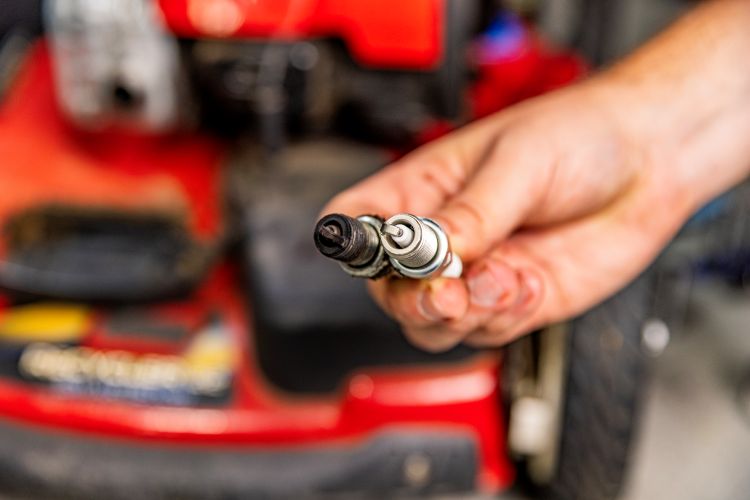
A spark plug may be small, but it plays a critical role in engine operation. Its job is to ignite the fuel-air mixture inside the engine cylinder, creating the combustion that powers your mower.
When a spark plug begins to fail, engine performance often suffers.
Signs of a Bad Spark Plug
Watch for symptoms such as:
- Difficulty starting the mower
- Frequent stalling
- Rough idling
- Reduced engine power
- Increased fuel consumption
- Engine misfires or sputtering
Over time, spark plugs can become fouled by carbon deposits, oil residue, or fuel contaminants. Electrodes also wear down naturally through repeated use.
How to Check a Spark Plug
- Disconnect the spark plug wire.
- Remove the spark plug using a spark plug socket.
- Inspect the tip for heavy carbon buildup, corrosion, cracks, or excessive wear.
- Compare the electrode condition to the manufacturer’s recommendations.
- A spark plug that appears black, oily, heavily corroded, or damaged should typically be replaced.
Maintenance Tip
Most mower manufacturers recommend inspecting spark plugs annually and replacing them according to the maintenance schedule. Replacing an aging spark plug is one of the simplest and most affordable ways to improve starting performance and overall engine reliability.
Carburetors
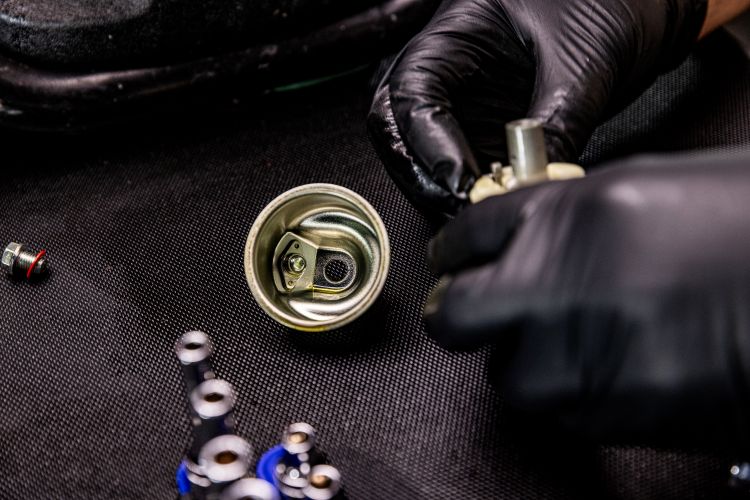
The carburetor’s job is to mix fuel and air in the proper ratio before sending it into the engine for combustion.
When the carburetor becomes clogged or dirty, the engine may struggle to receive the fuel it needs. This is especially common when fuel has been left sitting in the mower for extended periods.
As gasoline ages, it can oxidize and form deposits that restrict fuel passages inside the carburetor. Even small amounts of varnish or gum buildup can affect performance.
Signs of Carburetor Problems
Common symptoms include:
- Engine won’t start
- Hard starting
- Surging or inconsistent RPMs
- Stalling shortly after startup
- Poor acceleration
- Black exhaust smoke
- Reduced power while mowing
How to Check for Carburetor Issues
If the mower has fresh fuel, a good spark plug, and a clean air filter but still won’t run properly, the carburetor may be the culprit.
Look for:
- Visible fuel leaks
- Dirt or residue around the carburetor
- Old fuel left in the tank over the off-season
- Engine behavior that improves temporarily after priming
Depending on the severity of the buildup, cleaning the carburetor may restore performance. In some cases, heavily clogged carburetors may require rebuilding or replacement.
Preventive Maintenance Matters
One of the best ways to avoid carburetor issues is to prevent fuel degradation before it starts. Using a fuel stabilizer helps keep fuel fresh during storage and helps reduce the formation of gum and varnish that can clog fuel system components.
When preparing equipment for seasonal storage, treating fuel properly can significantly reduce spring startup problems.
Fuel System
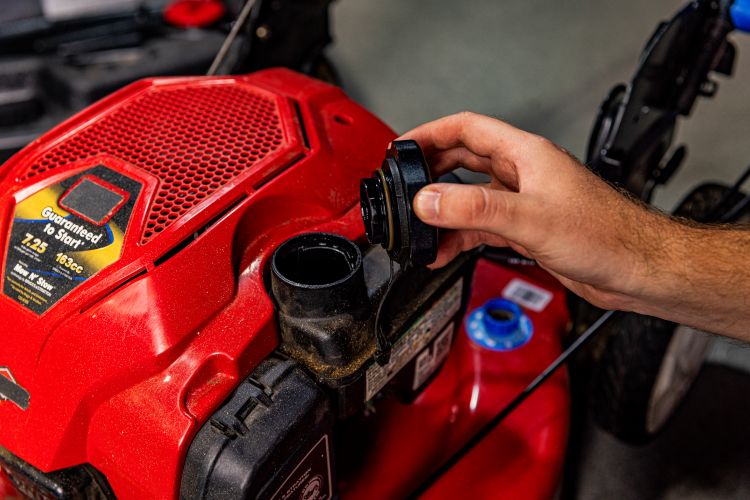
Many mower issues are actually fuel-related rather than mechanical failures.
Gasoline begins to deteriorate much sooner than many equipment owners realize. As fuel ages, volatile compounds evaporate, oxidation occurs, and deposits can form throughout the fuel system.
Warning Signs of Fuel Problems
- Difficult starting after storage
- Rough running
- Loss of power
- Engine hesitation
- Clogged fuel lines or carburetor passages
Using fresh fuel and treating gasoline before storage using a quality fuel stabilizer like STA-BIL® Storage helps protect fuel quality and supports reliable engine performance throughout the year.
If fuel has been sitting in the tank for several months, draining and replacing it may be necessary before troubleshooting more complex issues.
Air Filters
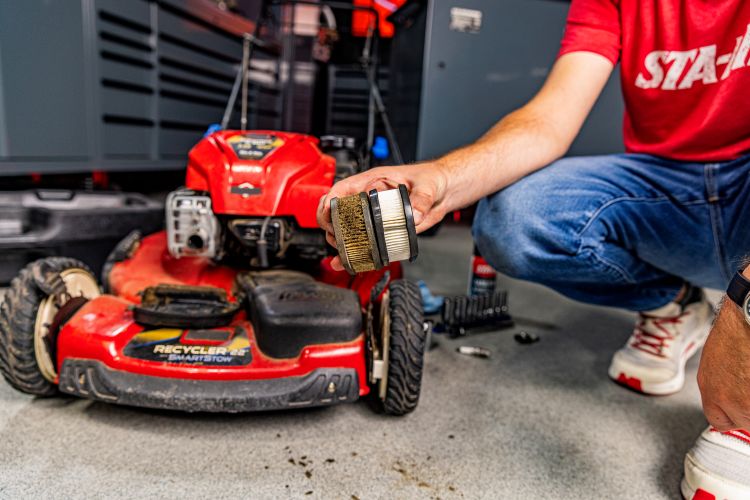
An engine needs clean air to operate efficiently.
A dirty or clogged air filter restricts airflow, causing the engine to run rich and reducing performance.
Symptoms of a Dirty Air Filter
- Reduced engine power
- Black exhaust smoke
- Poor fuel efficiency
- Rough operation
- Difficulty starting
Inspect the air filter regularly during mowing season. Paper filters should be replaced when dirty, while foam filters can often be cleaned according to manufacturer recommendations.
Replacing a dirty air filter is inexpensive and can dramatically improve engine performance.
Mower Blade
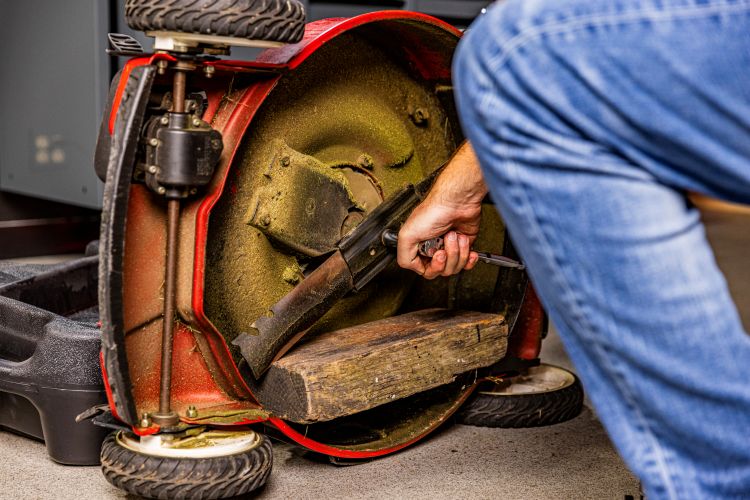
Engine performance isn’t the only factor affecting mowing quality.
A dull, bent, or damaged blade forces the engine to work harder and can leave an uneven cut.
Signs the Blade Needs Attention
- Torn or ragged grass tips
- Uneven cutting patterns
- Excessive vibration
- Increased strain on the engine
Sharpen blades regularly during the season and replace any blade that shows cracks or significant damage.
Watch for Excessive Vibration
Unusual vibration is often a warning sign that something isn’t right.
Potential causes include:
- Loose hardware
- Damaged blades
- Bent crankshafts
- Debris wrapped around rotating components
If vibration suddenly increases, stop the mower and inspect it before continuing operation. Ignoring vibration can lead to additional wear and more costly repairs.
Prevent Problems Before They Start
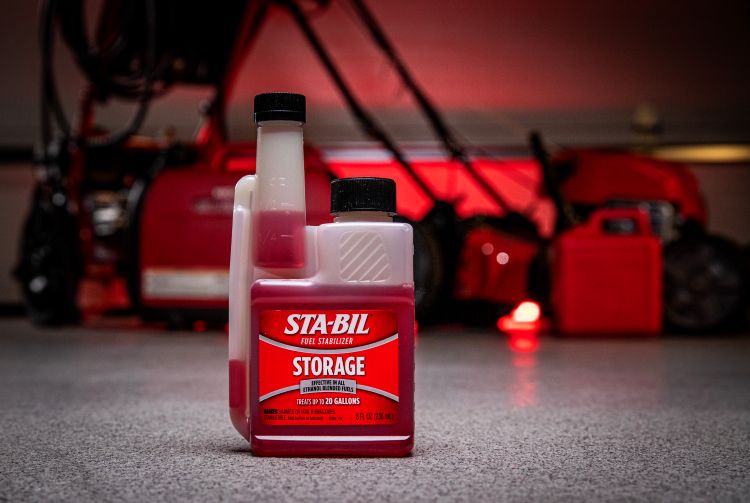
The best troubleshooting strategy is prevention.
Routine maintenance helps reduce breakdowns, extends equipment life, and keeps your mower ready whenever grass starts growing.
A simple maintenance routine should include:
- Using fresh, treated fuel
- Checking fuel condition before each season
- Inspecting spark plugs annually
- Cleaning or replacing air filters regularly
- Sharpening blades as needed
- Change the oil every season
- Following the manufacturer’s maintenance schedule
- Properly preparing equipment for storage
Keep Your Mower Ready for Every Cut
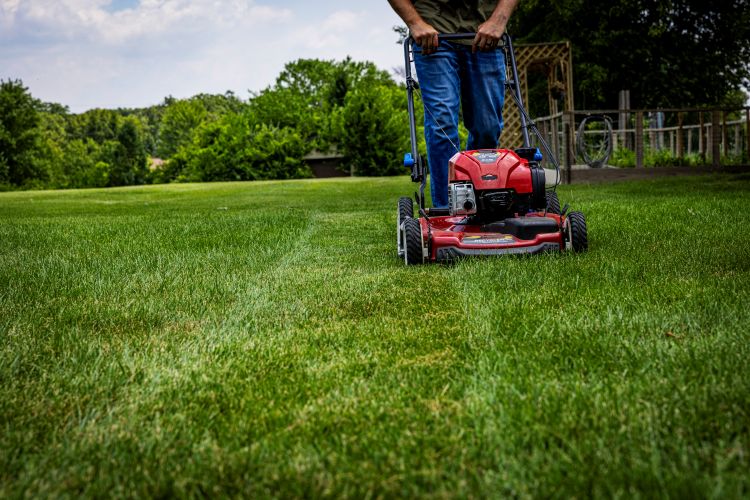
When your mower starts acting up, the cause is often simpler than you think. By checking spark plugs, inspecting the carburetor, monitoring fuel quality, and staying on top of routine maintenance, you can solve many common mower issues before they become major repairs.
A little preventive care goes a long way toward reliable starts, smoother operation, and a healthier lawn. With proper fuel management and regular maintenance, your mower can stay ready to perform season after season.