





Common Car Wash Mistakes and How to Avoid Them
Why Hand Washing Is Better for Your Vehicle
At 303 Products, we believe washing your vehicle should accomplish more than delivering a temporary shine. A proper wash is one of the most important steps in protecting your vehicle’s paint, preserving gloss, and maintaining its appearance for years to come. Unfortunately, many common car washing habits can have the opposite effect. What seems like a harmless shortcut today can contribute to swirl marks, water spots, fading, and premature wear over time.
From relying on automatic car washes to using household cleaners like dish soap, many drivers unintentionally expose their vehicles to avoidable damage. The good news is that most of these mistakes are easy to prevent. With the right products, tools, and techniques, you can safely wash your vehicle yourself and achieve better results while helping protect your investment.
In this guide, we’ll cover several common car wash mistakes, explain why they matter, and show why a thoughtful DIY wash remains one of the best ways to keep your vehicle looking its best.
1. Why Automatic Car Washes Can Be Risky
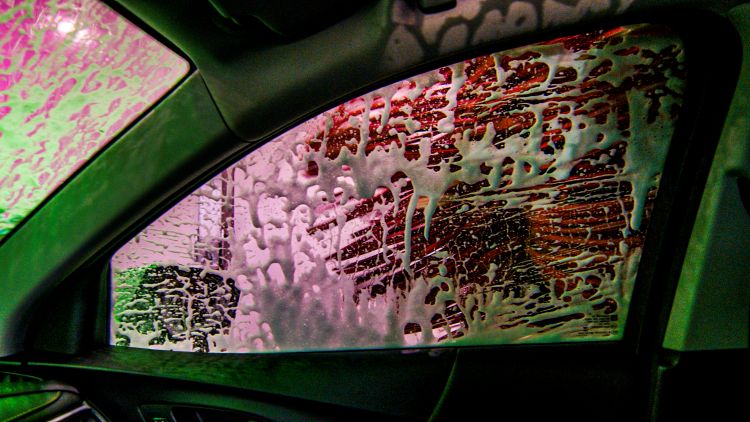
Automatic car washes are popular because they’re fast and convenient. However, convenience often comes with tradeoffs when it comes to paint protection.
Many friction-based automatic car washes use rotating brushes, cloth strips, or other materials that repeatedly contact vehicle surfaces throughout the day. Even when these systems are maintained regularly, they can collect dirt, sand, and debris from previous vehicles. As those contaminants move across your paint, they can create fine scratches that gradually reduce gloss and clarity.
One of the most common results is the appearance of swirl marks. These tiny scratches in the clear coat often become visible in direct sunlight, creating a spiderweb-like pattern across the finish. While swirl marks may seem minor at first, repeated exposure can leave paint looking dull and aged.
Dark-colored vehicles tend to show this damage more readily, but no paint color is immune. Over time, frequent trips through friction-based washes can reduce the smooth, reflective appearance that many vehicle owners work hard to maintain.
Not every automatic wash poses the same level of risk. Touchless systems eliminate physical contact and are generally safer than traditional brush washes. However, for drivers who want maximum control over the condition of their paint, a DIY wash remains the preferred option.
2. The Advantages of Washing Your Vehicle Yourself
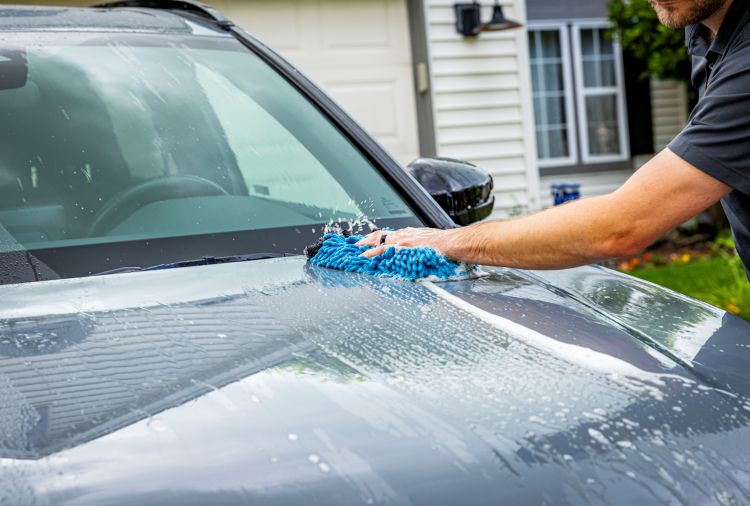
A DIY wash offers benefits that automated systems simply cannot match.
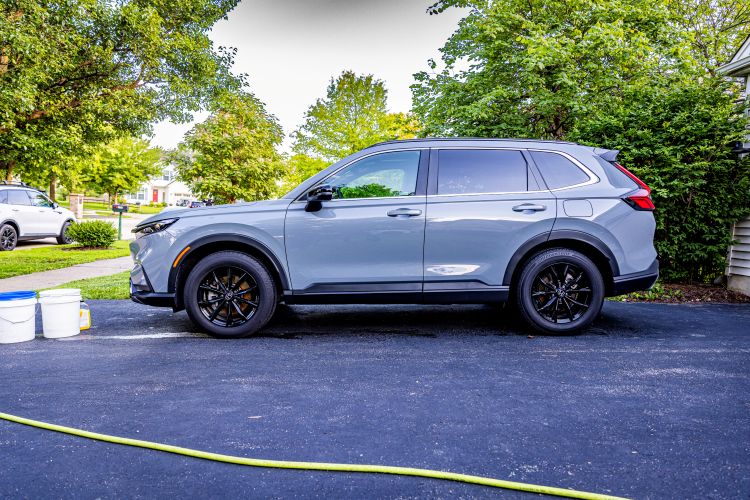
When you wash your own vehicle, you control the products, tools, and techniques used on every surface. Instead of relying on shared wash equipment, you can use clean microfiber wash mitts, dedicated automotive soaps, and safe washing methods that help lift dirt away from the paint rather than grind it into the finish.
Hand washing also gives you an opportunity to inspect your vehicle closely. You can spot bug residue, tree sap, bird droppings, road tar, and other contaminants before they have time to cause permanent staining or etching.
One of the biggest advantages of DIY washing is the ability to use proven wash methods that help minimize the risk of scratching. Many enthusiasts and professional detailers recommend the two-bucket method, which uses one bucket containing your car wash solution and a second bucket filled with clean rinse water. After washing a section of the vehicle, the wash mitt is rinsed in the clean water bucket before being returned to the soap bucket. This helps keep dirt and debris out of the wash solution and reduces the chance of reintroducing contaminants to the paint.
For even greater protection, many detailers prefer a three-bucket method. In this approach, one bucket contains the wash solution, a second bucket is used for rinsing the wash mitt, and a third bucket is dedicated exclusively to wheels and tires. Since wheels typically collect some of the heaviest dirt, brake dust, and road grime on the vehicle, keeping wheel-cleaning tools and water separate helps prevent those abrasive contaminants from making their way onto painted surfaces.
A careful DIY wash also allows you to work in the shade, rinse thoroughly before touching the surface, and clean areas that automated systems often miss. The result is a safer, more thorough cleaning process that helps maintain your vehicle’s appearance over the long term while preserving the gloss and protection you’ve worked hard to maintain.
3. Why Rain Doesn’t Actually Clean Your Car
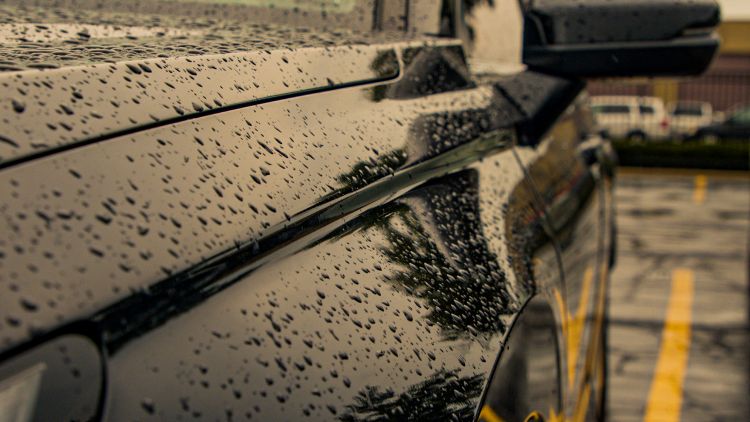
Many people assume rain provides a free car wash. Unfortunately, that’s one of the most persistent myths in vehicle care.
Rainwater lacks the cleaning power necessary to remove road film, oils, bug residue, and other contaminants that accumulate on your vehicle. While rain may rinse away some loose dust, it generally cannot break down the stubborn grime attached to your paint.
In fact, rain can sometimes make a vehicle look dirtier. As water moves through the atmosphere, it collects airborne pollutants, dust, pollen, and other contaminants. When the water evaporates, those materials remain behind on the surface.
This residue often appears as water spots, streaks, or a dull film that reduces gloss. In some situations, mineral deposits and contaminants left behind by evaporating water can become more difficult to remove if they’re allowed to sit on the surface for extended periods.
A proper wash removes contamination. Rain simply moves some of it around.
4. Why Dish Soap Is a Bad Choice for Vehicle Washing
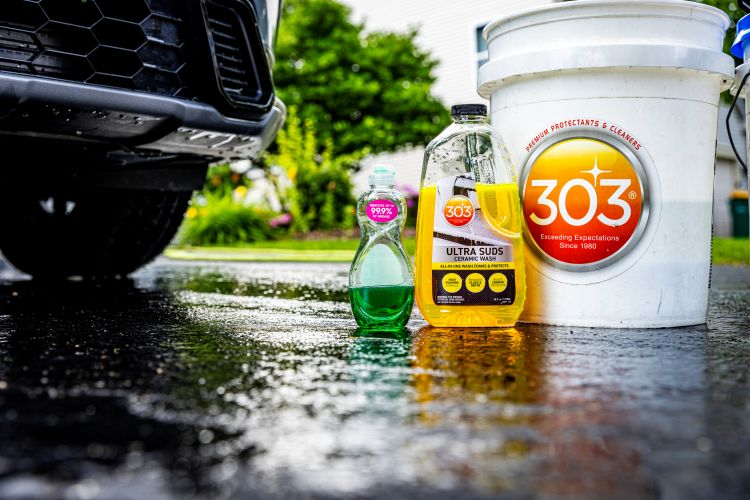
Another common mistake is reaching for dish soap when automotive shampoo isn’t available.
Dish soaps are designed to remove grease and food residue from cookware. To accomplish that job, they often contain strong degreasing agents that can be too aggressive for automotive finishes.
While a single use may not cause noticeable damage, repeated washing with dish soap strips away waxes, sealants, and other protective products that help shield paint from environmental exposure. Once those protective layers are removed, the finish becomes more vulnerable to oxidation, staining, UV damage, and contamination.
Dish soap can also leave exterior trim, rubber seals, and plastic components looking dry over time.
Automotive wash soaps are formulated differently. They provide lubrication that helps dirt slide safely away from the paint while maintaining a balanced pH that supports existing protection. Using a dedicated car wash soap helps you clean effectively without sacrificing the protective layers you’ve already applied.
5. Don’t Forget About Drying
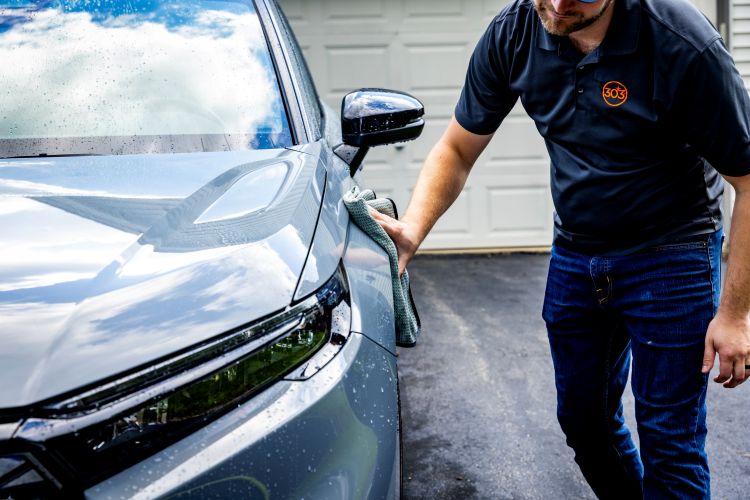
Many vehicle owners focus on washing but overlook the importance of proper drying.
Allowing water to air dry on the surface can leave behind mineral deposits that create visible water spots. Using old bath towels, paper towels, or rough fabrics can also introduce scratches during the drying process.
Instead, use a clean, high-quality microfiber drying towel designed specifically for automotive surfaces. Gently blotting or gliding the towel across the paint helps remove water while minimizing friction.
A safe wash can still result in surface defects if drying is done incorrectly, which makes this final step just as important as the wash itself.
6. Why Bird Droppings Require Immediate Attention
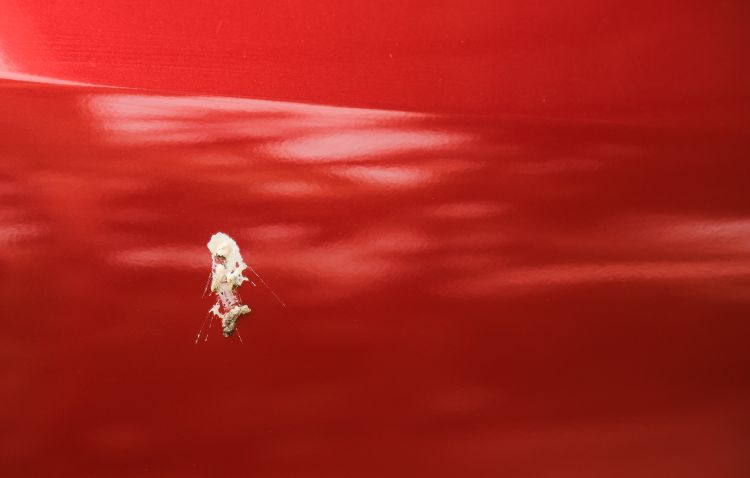
Bird droppings are more than an inconvenience. They can become one of the fastest causes of paint damage if left untreated.
Bird waste contains acidic compounds and concentrated contaminants that can begin affecting the clear coat surprisingly quickly. Heat and direct sunlight often accelerate the process by baking the material onto the surface. The longer bird droppings remain on your vehicle, the greater the risk of staining, etching, or permanent damage that may require polishing or paint correction to remove.
The best solution is always to remove bird droppings as soon as possible. If a full wash is not an option, a quality spray detailer can provide a quick and safe way to address the problem before damage occurs. Rather than wiping the droppings away dry, spray the affected area generously using the stream setting to thoroughly saturate and soften the contamination. Allow the product a moment to loosen the debris and provide lubrication between the surface and the contaminant.
Once softened, gently wipe the area with a clean microfiber towel using minimal pressure. The goal is to lift the contamination away from the paint rather than scrub it off the surface. If any residue remains, apply additional detailer and repeat the process until the area is clean. Using a fresh section of the towel throughout the process helps reduce the chance of dragging contaminants across the paint.
This simple habit can make a significant difference in preventing stains, scratches, and etching between regular washes. Keeping a spray detailer and microfiber towel in your vehicle allows you to respond quickly when bird droppings appear, helping protect your finish even when a complete wash is not immediately available.
7. Better Habits Lead to Better Results
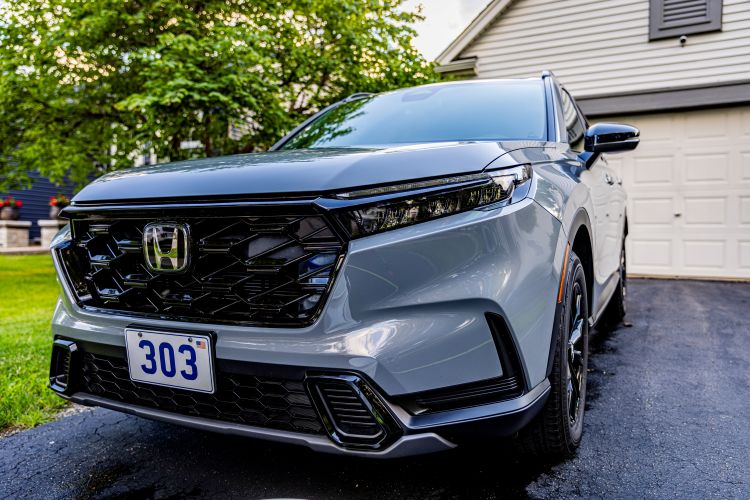
Keeping your vehicle looking its best isn’t about washing more aggressively. It’s about washing smarter.
Avoiding friction-based automatic washes, skipping harsh household cleaners, removing bird droppings promptly, and using proper drying techniques can make a significant difference in the long-term appearance of your vehicle. Combined with regular washing and quality protective products, these habits help preserve the finish and maintain the shine you worked hard to achieve.
At 303 Products, we believe the best car wash is often the one you do yourself. A thoughtful DIY car wash gives you complete control over how your vehicle is cleaned and protected, helping you achieve better results while reducing unnecessary wear. With the right products and techniques, every wash becomes an opportunity to protect your investment and keep your vehicle looking its best for miles to come.