






Post-Winter Exterior Detail
Post-Winter Car Detailing: How to Refresh Your Vehicle’s Exterior This Spring
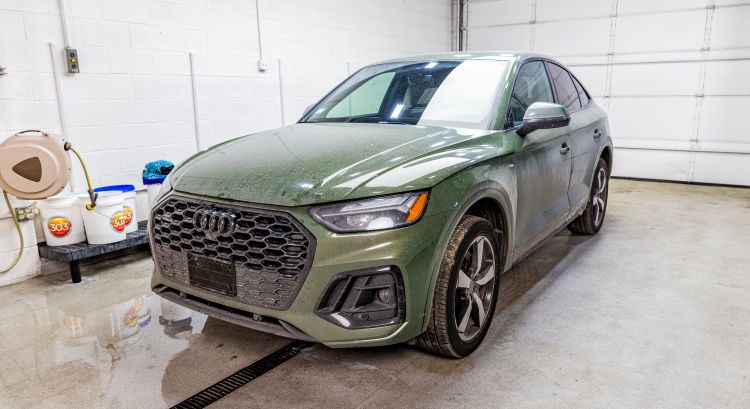
Winter is one of the harshest seasons for any vehicle, especially in regions where snow, ice, and road salt are a daily reality. By the time spring arrives, most cars are carrying months’ worth of buildup on their exterior; salt residue, road grime, tar, and embedded contaminants that a standard wash without an added decontamination step, simply can’t remove. Even vehicles that appear clean at first glance often need far more attention after enduring a full winter.
A proper post-winter detail does more than improve appearance. It plays a critical role in preserving your paint, trim, wheels, and overall condition of your vehicle. Salt and moisture accelerate corrosion, UV exposure fades plastics and rubber, and long-term neglect can lead to permanent damage. Taking the time to reset your vehicle’s exterior in early spring helps protect your investment while making the car more enjoyable to drive.
Refresh Your Car’s Exterior after winter
-
Start With a Thorough Wash
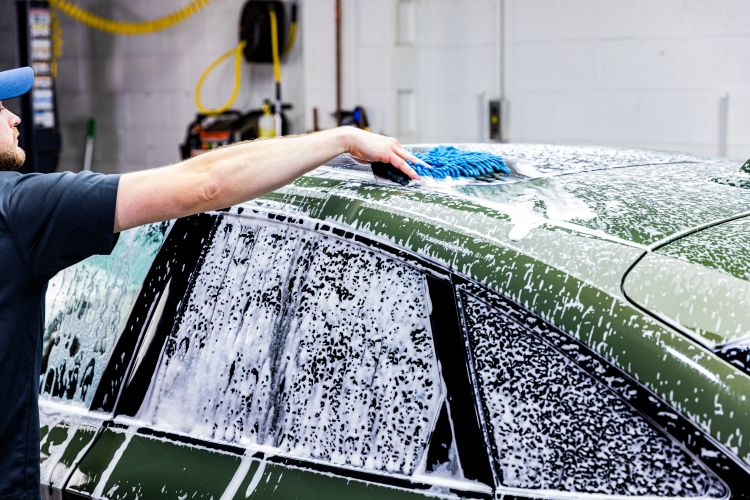
The foundation of any good detail is a proper wash, not a quick rinse at a self-serve bay. Winter grime tends to cling aggressively to surfaces, so using the right technique is essential.
Begin by rinsing the entire vehicle thoroughly to remove loose debris. This step helps reduce the risk of scratching during contact washing. Pay special attention to lower panels, bumpers, and wheel arches, where salt and slush tend to accumulate the most.
Using a two-bucket or three-bucket method is highly recommended. One bucket should contain clean water, while the other holds your soap solution. A third bucket dedicated to wheels and tires helps prevent cross-contamination. This setup minimizes the chance of reintroducing grit back onto the paint.
High-quality microfiber wash mitts are ideal, as they trap dirt away from the surface rather than dragging it across the paint. Using multiple mitts can further improve results, allowing each one to be rinsed and soaked properly between passes.
Always work from the top down, rinsing frequently. By the time you reach the lower sections of the vehicle, your mitt will have collected the most contamination, so swapping it out regularly is key to avoiding unnecessary scratches.
-
Clean the Wheels and Tires
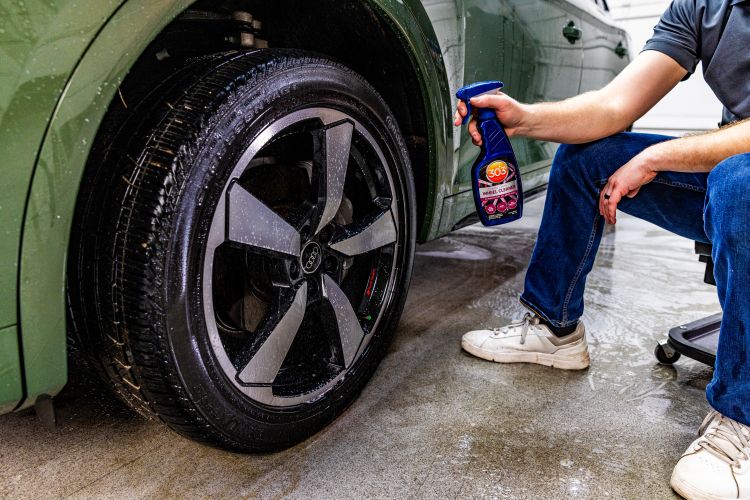
Wheels endure some of the harshest conditions during winter. Brake dust, salt, and road grime build up quickly and can damage finishes if left untreated.
Use a dedicated wheel cleaner along with soft brushes to safely break down buildup. Be sure to clean inside the barrels and behind spokes, where contamination is often the worst. Rinse thoroughly to remove all residues.
Tires should also be scrubbed to remove old dressing and winter grime. A clean tire not only looks better but also allows new protectants to bond properly and last longer. Keeping tires clean helps maintain their flexibility and reduces the likelihood of cracking over time.
-
Clean the Glass for Better Visibility
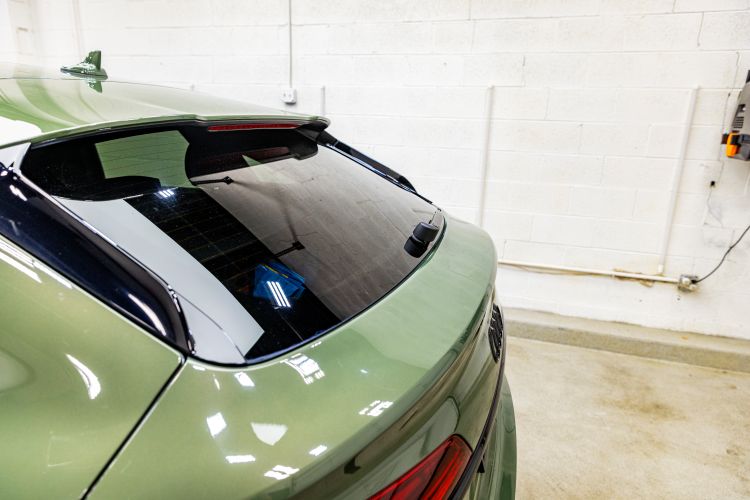
Glass is often overlooked, but winter leaves behind stubborn residue from washer fluid, road film, and environmental fallout.
Use a quality glass cleaner to clean both the interior and exterior surfaces. For heavily contaminated glass, a clay mitt or fine glass polish can help restore clarity.
Clean glass improves visibility, reduces glare, and contributes to an overall cleaner, more refined appearance.
-
Rinse the Undercarriage and Hidden Areas
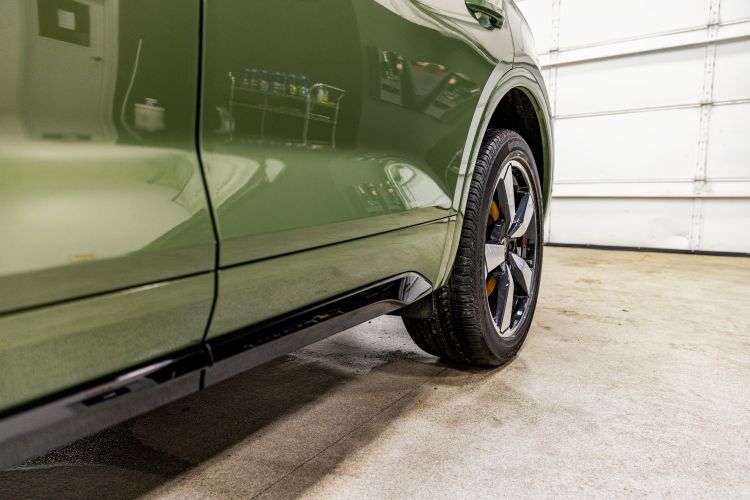
Salt doesn’t just sit on visible surfaces. Door jambs, trunk seams, fuel doors, and lower frame areas trap moisture and grime throughout winter.
Cleaning these areas helps remove corrosive buildup that can lead to rust over time. Even a quick rinse followed by a wipe-down can make a significant difference.
If possible, use an undercarriage rinse or pressure washer to flush out hidden salt deposits. This step is often overlooked but is one of the most important parts of post-winter maintenance.
-
Decontaminate the Paint

After months of exposure, washing alone isn’t enough to fully clean your vehicle’s paint. Contaminants like road salt, industrial fallout, and tar can embed themselves into the clear coat.
You may not always see them, but you can feel them. If the paint feels rough instead of smooth, it’s a sign that decontamination is needed.
Start with a chemical decontamination step using an iron or fallout remover to dissolve embedded particles. This helps break down contaminants that regular soap cannot remove.
For a deeper clean, a clay bar or synthetic clay mitt can be used to physically remove remaining contamination. This step dramatically improves smoothness and prepares the surface for polishing, though it can introduce light marring. Because of this, claying is best followed by some level of paint correction.
While it requires extra effort, decontamination is one of the most effective ways to restore that “like-new” feel to your vehicle’s exterior.
-
Inspect the Paint Condition

Once the surface is clean and decontaminated, it’s the perfect time to evaluate your paint. Winter often leaves behind defects such as:
- Fine scratches
- Swirl marks from improper washing
- Dull or hazy clear coat
- Water spots from melting snow
Not every vehicle requires full paint correction, but even a light polishing step can make a noticeable difference. A compound, polish or finishing polish using a dual-action polisher, or even a careful hand polish, can restore gloss, depth, and clarity.
-
Protect the Paint
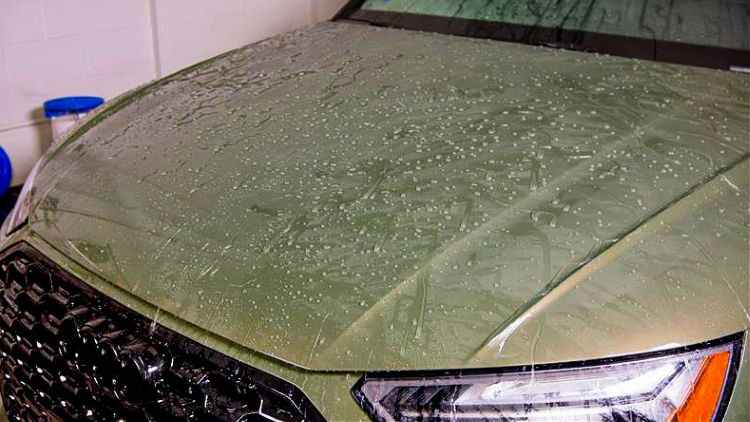
Paint protection is one of the most important steps in post-winter car detailing.
Once the paint is clean and polished, sealing it helps prevent future damage and simplifies maintenance.
There are several options available, including:
- traditional waxes
- synthetic sealants
- ceramic-style coatings.
Waxes provide a warm, glossy finish but tend to wear off more quickly. Sealants and modern spray coatings offer longer-lasting protection and are generally easier to maintain.
The goal isn’t perfection, it’s consistency. A protected surface resists dirt, repels water, and slows UV damage. This makes routine washing easier and reduces the amount of contamination that bonds to the paint over time.
-
Restore Exterior Trim and Plastic
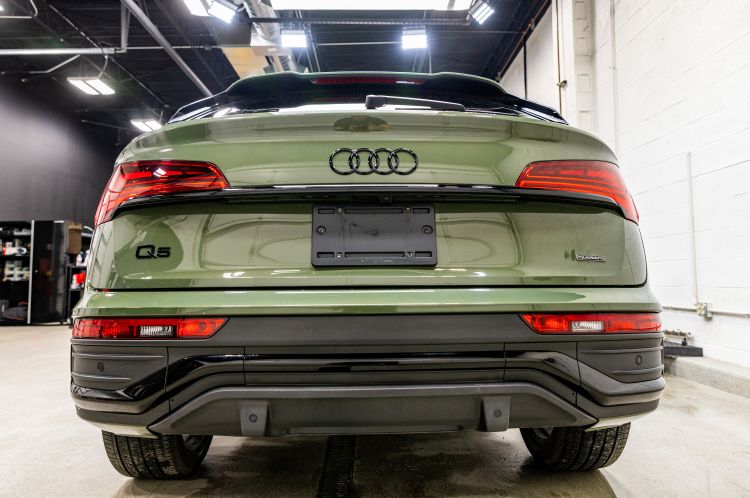
Plastic trim, rubber seals, and textured surfaces often appear faded or chalky after winter. Salt exposure and UV rays accelerate aging, especially on darker vehicles where fading is more noticeable.
After cleaning these areas, apply a dedicated trim protectant. This helps restore color, add UV protection, and repel moisture.
Well-maintained trim can dramatically improve the overall appearance of a vehicle. Even a freshly polished car can look older than it is if the trim is neglected.
Why Post-Winter Detailing Matters
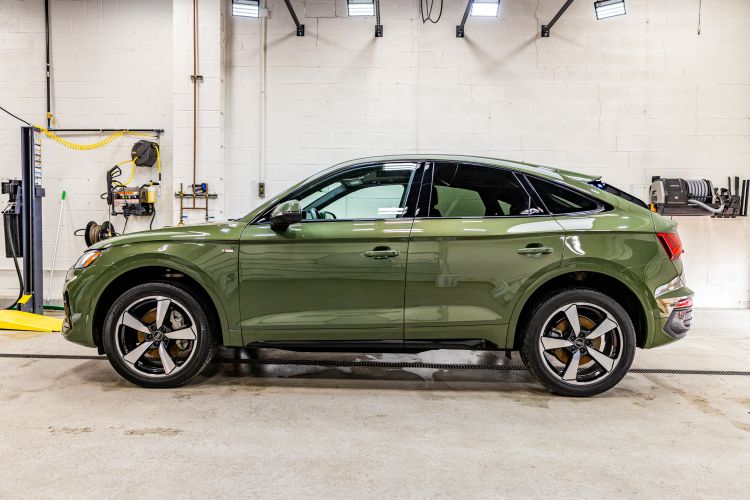
Post-winter detailing offers more than cosmetic benefits.
Most damage doesn’t happen overnight, it builds gradually through exposure to salt, moisture, UV radiation, and environmental contaminants.
By resetting and protecting your vehicle early in the season, you slow down that process significantly. Proper maintenance preserves materials, prevents premature aging, and keeps your vehicle looking newer for longer.
More importantly, it makes ongoing care easier. A well-maintained vehicle requires less effort to keep clean and protected throughout the year.
Final Thoughts
Winter leaves a lasting impact on every vehicle, whether it’s immediately visible or not. A proper post-winter exterior detail is one of the best investments you can make in both the appearance and longevity of your car.
By thoroughly washing, decontaminating, polishing, protecting, and restoring key areas, you bring your vehicle back to a clean baseline and prepare it for the months ahead.
Spring detailing isn’t just about making your car look good, it’s about protecting it, preserving it, and ensuring it continues to perform and look its best for years to come.