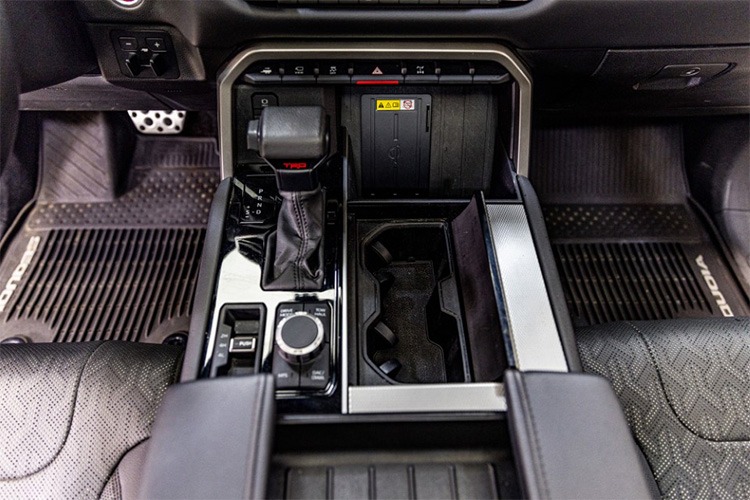






How to Detail Your Car’s Interior During or After Winter
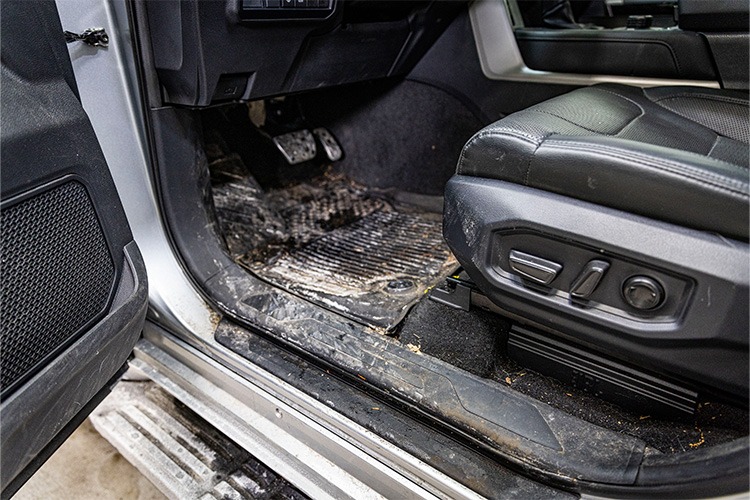
Winter is not exactly the ideal season for DIY car detailing in much of the northern United States. Between freezing temperatures, snow, and road salt, most people either wait for warmer days or rely on professional car washes. Unless you have access to a heated garage with proper drainage, washing the exterior at home can be more trouble than it is worth and often creates more mess than it solves.
That does not mean detailing has to stop altogether. In fact, winter is one of the most important times to pay attention to your vehicle. One area that often gets overlooked but arguably matters the most during winter is the interior. Wet boots, slush, salt, and longer drive times can take a serious toll on carpets, seats, and trim. Over time, this buildup does not just look bad. It can lead to lingering odors, stains, and even material deterioration.
Keeping the inside of your car clean during the colder months helps maintain comfort, prevents long-term damage, and makes the vehicle much more pleasant to drive. Whether you are doing a mid-season refresh or a post-winter reset, here are some practical tips to help you clean and protect your car’s interior.
Start by Clearing Everything Out
Before you touch a vacuum or cleaner, remove everything from the vehicle. This includes trash, personal items, and anything that does not normally live in the car. Winter tends to encourage clutter, including gloves, hats, receipts, and empty cups, so starting with a completely empty space makes a big difference.
A simple system that works well is using two bags. Use one for garbage and one for items you want to keep but need to put away later. This saves time and avoids the temptation to leave clutter in the car for later. The key is to deal with that second bag once you are done so it does not end up sitting in your garage for weeks. Think of this step as resetting your interior before the actual cleaning begins.
Vacuum the Interior Thoroughly
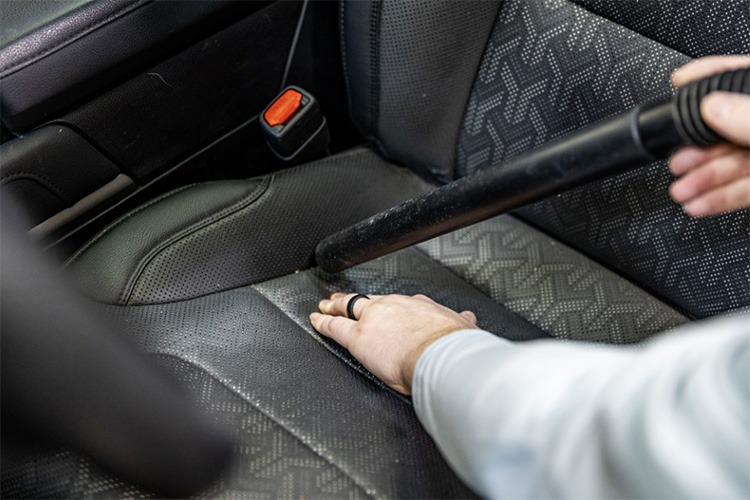
Once the interior is empty, take out the floor mats and vacuum the entire cabin. Focus on the carpets, seats, trunk, and any storage areas. Dirt tends to build up in places that are not immediately visible, like under the seats, between seat rails, and inside door pockets.
One trick that helps is using your hands to gently pull apart the seams in the seats. This opens tight gaps where crumbs and debris collect, making them easier to reach with the vacuum. If your vacuum attachment does not have a rubber edge, be careful around sensitive surfaces. Using your hand as a barrier between the nozzle and trim can prevent accidental scratches.
During winter, you will likely notice fine salt residue embedded in the carpet fibers. Taking a little extra time here ensures you are not just moving dirt around. You are actually removing it.
Clean the Floor Mats
Floor mats absorb the worst of winter mess, so they deserve extra attention. They are your first line of defense against water, salt, and grime, and they often show it.
If you have rubber mats, use a rubber-safe cleaner and a soft brush to scrub away dirt and salt. Rinse them thoroughly and stand them upright to dry. This allows water to drain off quickly and prevents streaking. If you do not have access to water due to the cold, simply wiping them down with a damp microfiber towel still makes a noticeable difference.
For carpet mats, use a carpet-safe cleaner and gently scrub the surface. You can rinse them if possible, but it is not always necessary. What matters most is letting them dry completely before putting them back in the car. Damp mats can lead to mildew and unpleasant smells, especially in cold weather when airflow is limited.
Work from the Top Down
When cleaning the rest of the interior, it helps to work from the top down. That way, any dust or debris that falls can be cleaned as you go instead of landing on areas you have already finished.
Start with upper surfaces like the headliner if needed, visors, and upper trim, then move down to the dashboard, center console, and door panels. An all-surface interior cleaner, soft brush, and microfiber towels will handle most areas effectively.
For glass, screens, and gauge clusters, it is best to spray the cleaner onto the towel rather than directly onto the surface. This gives you better control and avoids oversaturating delicate components, which is especially important in colder temperatures where moisture can linger longer than expected.
Protect Interior Surfaces
Cleaning removes dirt, but protection is what keeps materials from aging prematurely. Plastic, vinyl, and rubber surfaces benefit from a quality interior protectant, especially in winter when temperature swings can dry them out and make them more brittle.
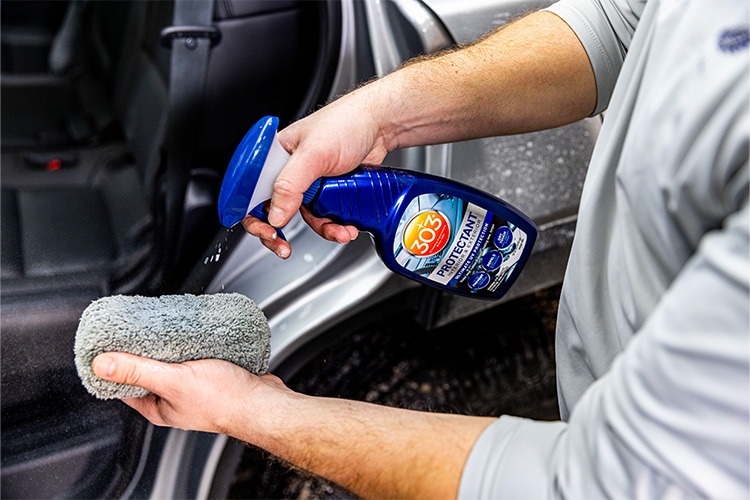
Apply the protectant with a microfiber towel or applicator pad and buff it until the surface is dry. The goal is a natural finish, not a shiny or greasy look. A well-protected surface not only looks better but is also easier to clean the next time around.
Regular use helps prevent fading, cracking, and discoloration over time, which is especially important if your vehicle is exposed to both cold air and dry cabin heat.
Don’t Skip the Door Jambs
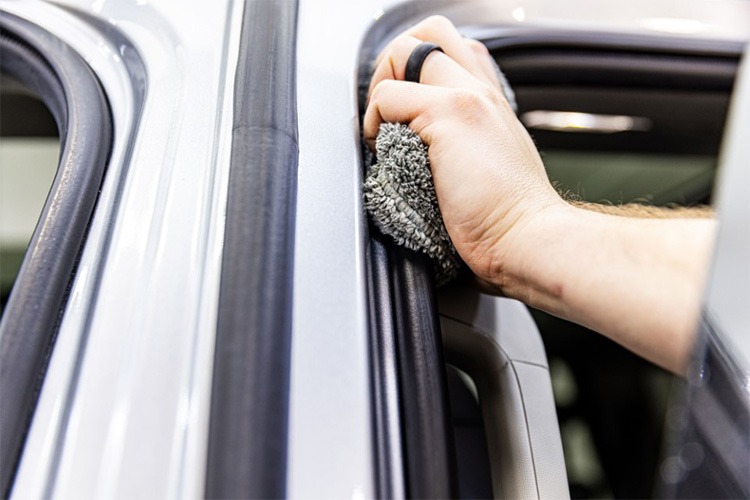
Door jambs collect a surprising amount of grime during winter. Every time you open the door, salt and moisture get trapped in these areas, often going unnoticed.
Use a lubricated detail spray and a microfiber towel to wipe them down thoroughly. Once clean, treat the rubber door seals with protectant. This keeps them flexible and helps prevent them from drying out or freezing shut during extremely cold days.
It is a small step, but it makes a noticeable difference in both appearance and long-term durability. Clean door jambs also make the entire vehicle feel more cared for, even if it is just a subtle detail.
Final Touches
After everything is clean and dry, reinstall the floor mats and do a quick walk-around inside the car. Look for any missed spots and wipe them down as needed.
You can also wipe seat belts with a damp microfiber towel. They collect body oils and dirt over time but are often overlooked. Small finishing touches like this elevate the overall result and make the interior feel truly refreshed.
How Often Should You Do This?
A full winter interior detail does not need to happen every week. A good schedule is:
- Once at the start of winter
- Once or twice during the season
- Once again when winter ends
Even light maintenance, like a quick vacuum and wipe-down every couple of weeks, goes a long way. Staying consistent prevents buildup and makes each deep clean much easier.
What Makes Winter Detailing Different?
The main differences between a regular interior detail and a winter-focused one are:
- Extra attention to carpets and floor mats
- Cleaning door jambs to remove salt
- Protecting rubber seals and trim
These areas suffer the most during colder months and are where long-term damage usually starts. Winter detailing is less about perfection and more about prevention.
Key Takeaways: Focus on Salt-Heavy Areas
Winter makes exterior car care more difficult, but it is actually the perfect time to focus on the inside of your vehicle. A clean interior improves comfort, helps preserve resale value, and makes everyday driving more enjoyable, especially when conditions outside are not great.
Whether you are cleaning your interior during winter or giving it a proper reset as the season ends, a deep clean like this helps prevent salt from taking its toll. With just a bit of effort, you can keep your car looking and feeling like new, no matter how harsh the winter months have been.