







How to Prepare a Collector Car for Winter Storage
For collector car enthusiasts, the end of driving season can be bittersweet. As temperatures drop, it’s time to park your prized vehicle until spring, but proper winter storage takes more than pulling into the garage and adding a cover.
A little preparation now can help protect the paint, interior, tires, fuel system, and mechanical components through the colder months, making that first spring drive more enjoyable.
At 303 Products, we know proper storage is about preserving something special. Use these tips to help get your vehicle ready before winter sets in.
Collector Car Winter Storage: 9 Tips
- Give It a Thorough Cleaning
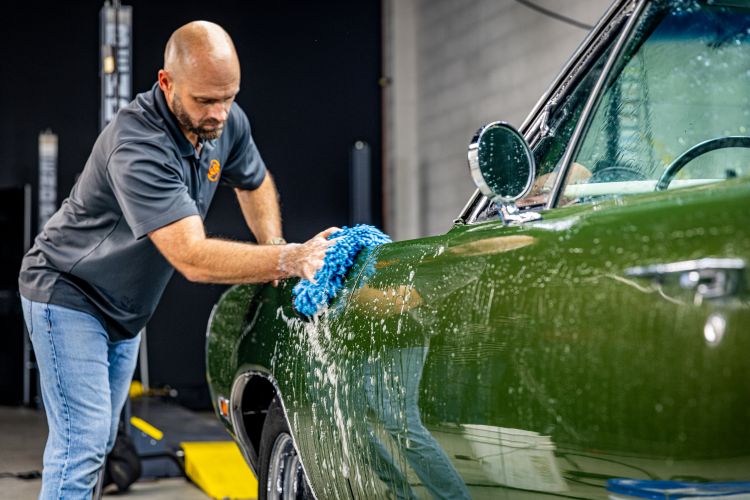
Start with a complete cleaning from top to bottom. Even if the vehicle looks clean, dust, bugs, road grime, and other contaminants can remain on the surface and sit there for months.
Wash the exterior thoroughly, including wheel wells, lower body panels, wheels, windows, and trim. Then dry the vehicle completely, especially seams, crevices, and areas where water can collect.
-
Protect the Paint and Exterior
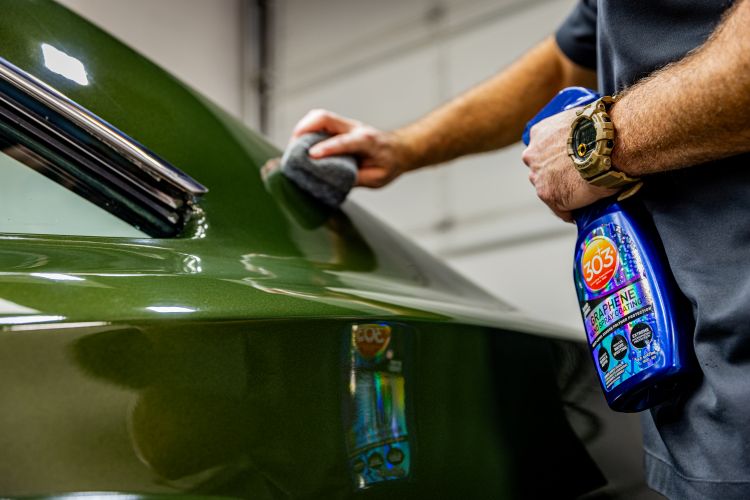
After the vehicle is clean and dry, inspect the paint for contaminants or imperfections, then apply a wax, sealant, or coating to help maintain the finish while it sits.
Exterior protection should be part of any winter storage routine. The goal is not only to make the car look great when you put it away, but also to help preserve that appearance until spring.
-
Pay Attention to the Tires
Once the exterior is protected, turn your attention to the tires. Inspect each one for cracking, uneven wear, or damage, and inflate them to the appropriate pressure based on tire or vehicle manufacturer recommendations.
For long-term storage, some owners use tire cradles or jack stands to reduce pressure on the tires that can create flat spots. The right approach depends on your vehicle, storage setup, and manufacturer recommendations.
-
Clean and Protect the Interior
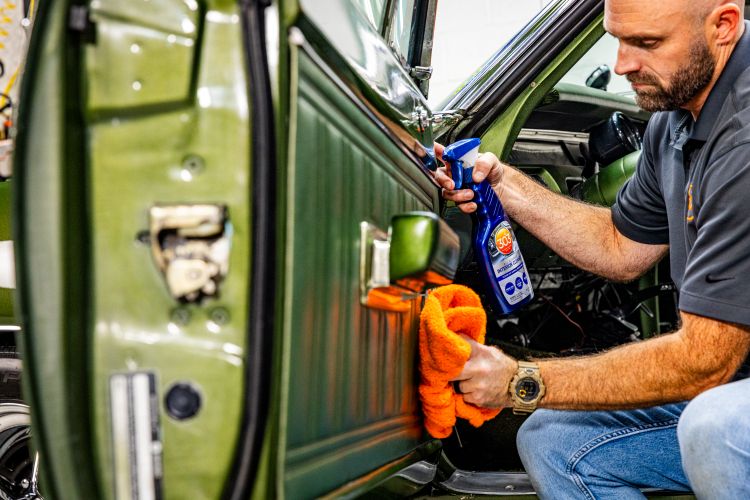
From there, move inside the vehicle. Remove personal items, trash, food, and anything that could attract pests or create odors during storage.
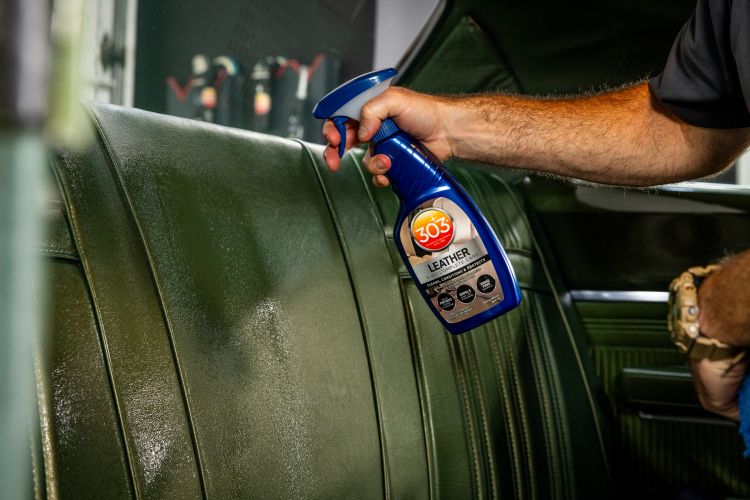
Vacuum carpets, seats, and hard-to-reach areas, then clean interior surfaces with products appropriate for your materials. Leather, vinyl, plastic, fabric, and specialty finishes may each require different care.
Once everything is clean, make sure the interior is completely dry before closing the vehicle for the season.
-
Check Under the Hood
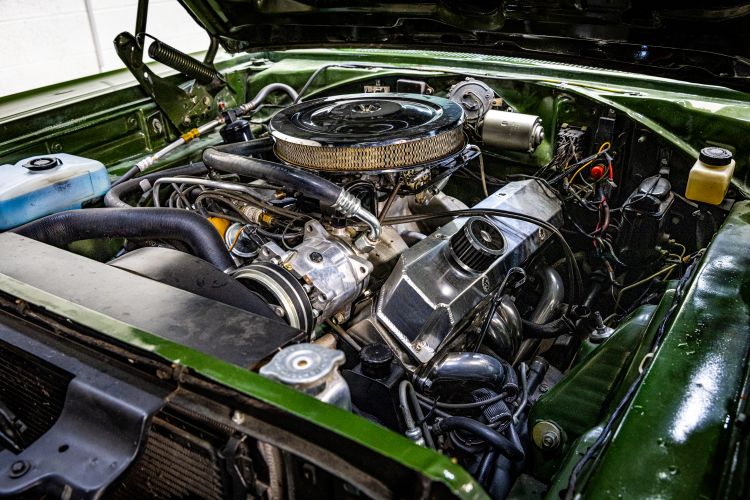
With the interior handled, inspect the engine compartment. Check fluid levels, look for signs of leaks, and follow your owner’s manual for preparing the engine and fluids for extended storage.
Check belts, hoses, battery connections, and other components for visible wear. If your car has unique storage requirements because of its age, engine configuration, or modifications, follow guidance from the manufacturer or a trusted specialist.
-
Think About the Battery
A vehicle sitting unused for several months can be hard on its battery. Depending on your car and storage conditions, you may disconnect the battery or use an appropriate battery maintainer.
If you’re unsure which approach is best, consult the owner’s manual or a qualified technician. Some modern collector vehicles have electronics that may be affected by disconnecting the battery.
-
Keep the Fuel Fresh
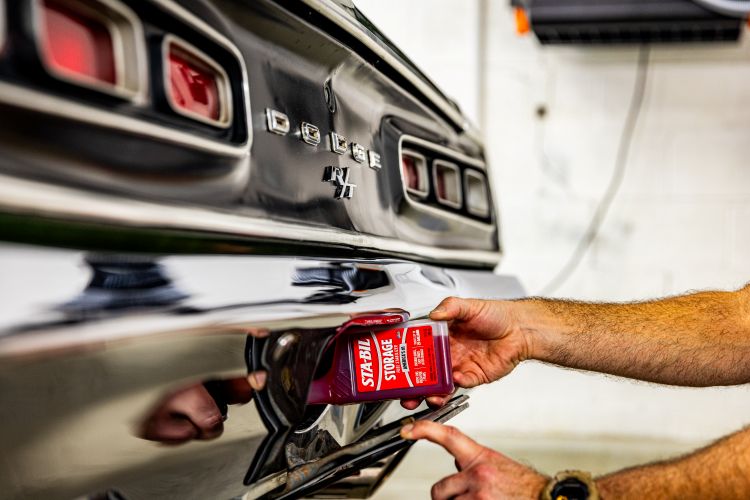
Before storing the vehicle, add a quality fuel stabilizer to help keep the fuel fresh while it sits. Fuel can break down over time, especially during extended storage, which may lead to hard starts, rough running, or deposits in the fuel system.
After adding stabilizer, follow the product directions so it circulates through the system as recommended. This helps protect the tank, fuel lines, carburetor, injectors, and other fuel system components during the off-season.
A little fuel system prep now can make spring startup smoother and help ensure your vehicle is ready for the road when driving season returns.
-
Use a Quality Car Cover
Once the vehicle is clean, dry, and protected, use a cover designed for your storage environment.
A good cover helps keep dust and airborne contaminants from settling on the finish. Make sure the vehicle is clean before covering it, since a cover can trap dirt against the surface.
The cover should fit properly and be suitable for indoor or outdoor use, depending on where the vehicle is stored.
-
Choose the Right Storage Environment
The storage space itself matters, too. Whenever possible, choose a clean, dry, secure, and temperature-controlled environment away from moisture, extreme temperature swings, and direct sunlight.
If your garage is shared with other activities, think about how dust, chemicals, moisture, or airborne contaminants could affect the vehicle. The better the environment, the easier it is to protect your car.
Closing Thoughts
Before you put the car away, take one final walkaround and note any maintenance items to address in spring, such as an oil change, tire inspection, battery check, fluid inspection, or wash and detail. Pay attention to seals, trim, wheels, tires, and other details that may need extra care, and consider taking a few photos to document its condition. When driving season returns, inspect everything carefully before that first cruise. With the right preparation now, your vehicle can be better protected through winter and ready to enjoy when warmer weather returns.
FAQs
What’s the best way to clean a classic car before winter storage?
Wash and dry the vehicle thoroughly before storing it for winter. Removing dirt, road grime, bugs, and other contaminants helps prevent them from sitting on the paint, trim, and exterior surfaces for months.
Do I need a car cover for indoor winter storage?
A well-fitting cover can help protect a clean car from dust and airborne contaminants during storage. Choose a cover designed for your indoor or outdoor environment, and always make sure the vehicle is clean before covering it.
How should I maintain the battery while a car is in storage?
Depending on the vehicle and storage conditions, you may disconnect the battery or use a suitable battery maintainer. Check the owner’s manual or ask a qualified technician, especially if the car has modern electronics.
Is it a good idea to start a stored car during the winter?
Not always. Starting the engine without letting it fully reach operating temperature can create drawbacks. Follow the manufacturer’s winter storage recommendations or consult a qualified specialist.
How do I protect paint and exterior surfaces during long-term car storage?
Start with a clean, dry surface, then use appropriate products to protect the paint, trim, and exterior materials. A clean storage environment and properly fitted cover can also help preserve the finish until spring.