







Tire Inspection Guide: Tread Depth, Pressure, Cracks, and Age
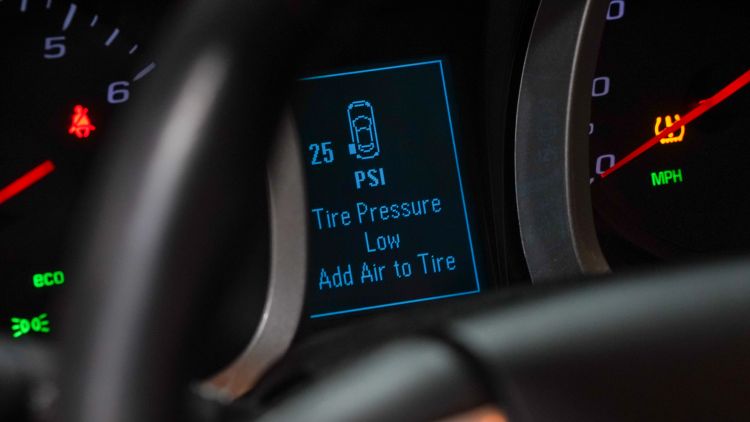
Your tires are the only parts of your vehicle that touch the road, so their condition plays a major role in traction, braking, handling, and ride comfort. They also take a beating from heat, cold, sunlight, rain, potholes, curb strikes, road debris, and everyday mileage. Over time, tread wears down, air pressure changes, rubber can crack, and even tires with plenty of tread can age out of service.
The good news is that a basic tire inspection is simple. By checking four key areas, tread depth, tire pressure, cracks, and tire age, you can spot early warning signs and know when it is time for a professional inspection. Use this tire inspection guide as part of your regular vehicle maintenance routine and before long trips.
1. Check Tire Tread Depth
Tire tread helps channel water away from the tire and maintain grip on the road. As tread gets shallow, your tires may have less traction, especially in wet conditions.
Start with a visual inspection. Look across each tire for tread that appears much lower in one area than another. Uneven tire wear can point to incorrect air pressure, alignment problems, worn suspension parts, or a tire that has not been rotated as recommended.
Next, look for the tread wear indicators built into the grooves. These small raised bars become flush with the surrounding tread when the tire has reached its wear limit. A tread-depth gauge gives the most accurate reading and is inexpensive to keep in your glove box or garage.
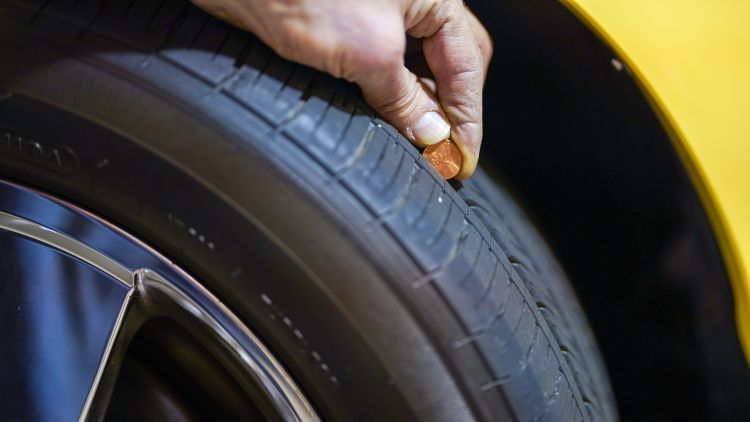
In the United States, 2/32 of an inch is widely used as the minimum tread depth for passenger tires, though tire manufacturers may recommend replacement sooner. Measure several spots across every tire, not just one groove. If one section is much lower than the rest, the tire or vehicle should be inspected. An easy way to check this is to use a penny. When you hold the penny into the tire’s tread, if you cannot see Lincoln’s full head then your depth is over 2/32 of an inch.
2. Check Tire Pressure Regularly
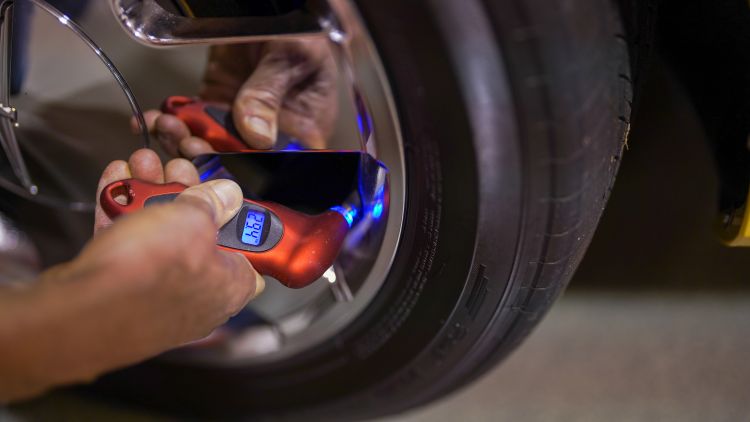
Proper tire pressure helps tires perform as designed. Underinflated or overinflated tires can affect handling, braking, fuel economy, and tread life.
Find the correct tire pressure on the driver’s side doorjamb placard or in your owner’s manual. Use that vehicle recommendation, not the maximum pressure printed on the tire sidewall.
For the most accurate reading, check pressure when the tires are cold, before driving or after the vehicle has been parked for at least several hours. Driving heats the tires and can raise the pressure reading temporarily.
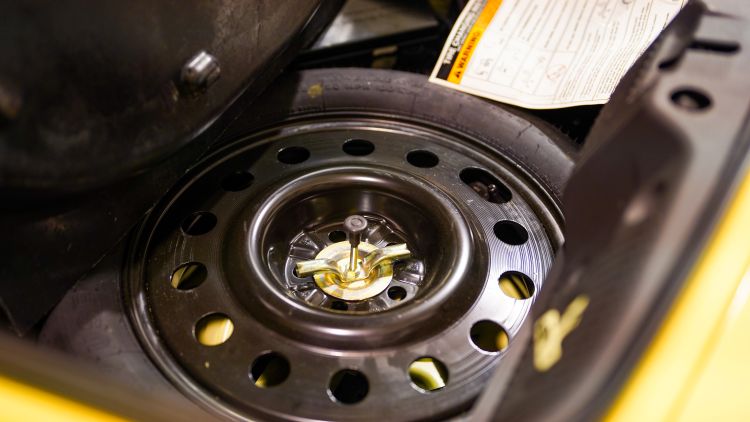
Temperature changes also matter. Cold weather can lower tire pressure, while warmer weather can increase it. Check all four tires at least monthly, before road trips, and whenever seasons change. Do not forget the spare tire if your vehicle has one.
3. Look for Tire Cracks and Visible Damage
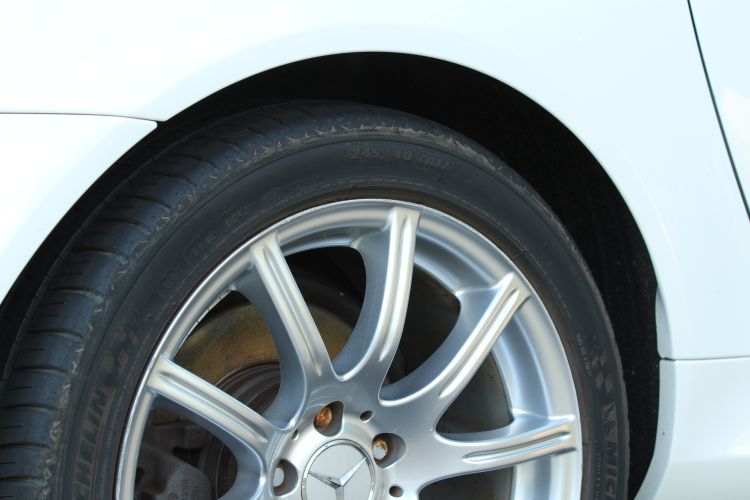
Tire damage is not always limited to the tread. During your inspection, look closely at the sidewalls, shoulder area, and spaces between tread blocks.
Check for cracks, dry looking rubber, cuts, punctures, bulges, bubbles, objects stuck in the tread, or unusual wear. Cracks can form as rubber ages and is exposed to sunlight, heat, ozone, and changing weather. Small cracks may be easy to miss, so take your time and inspect both sidewalls when possible.
Bulges or bubbles are more serious because they may indicate internal tire damage. If you see one, have the tire inspected before continuing to drive. If a nail, screw, or other object is embedded in the tread, do not pull it out yourself. Removing it can turn a slow leak into a rapid loss of air.
Also pay attention to changes you can feel while driving, including vibration, pulling, thumping, or repeated pressure loss. These signs should be checked by a qualified tire professional.
4. Check Your Tire’s Age
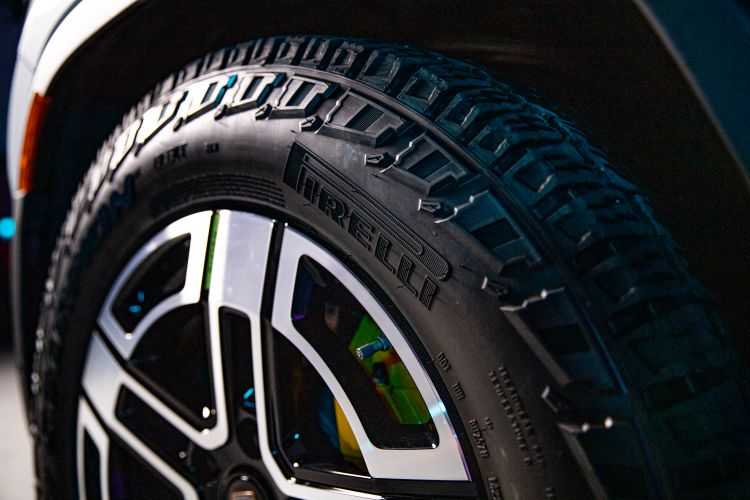
Tire condition is about more than tread depth. Rubber changes over time as it is exposed to oxygen, heat, sunlight, moisture, and repeated heating and cooling. That means a low-mileage tire can still need close inspection or replacement because of age.
To find the tire’s age, look for the DOT tire identification number on the sidewall. The final four digits show the week and year the tire was made. For example, a code ending in 2324 means the tire was manufactured during the 23rd week of 2024. Check the spare, too, because unused tires still age.
There is not one universal replacement age for every tire. Follow your vehicle and tire manufacturer’s guidance, and have older tires inspected if you notice cracking, uneven wear, damage, vibration, or air loss.
5. Make Tire Inspections Part of Your Routine
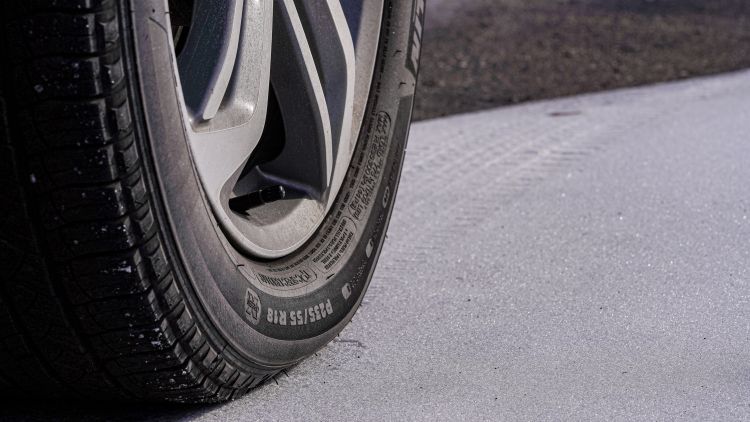
A tire inspection does not have to take long. Walk around your vehicle and look at each tire. Check tread depth, inspect the sidewalls, visually inspect the inflation of your tires and measure pressure, and read the DOT date code. Compare the tires with each other so unusual wear patterns are easier to spot.
Professional inspections are also valuable. A technician can identify problems that may not be obvious during a visual check and can help determine whether a tire can be repaired or should be replaced.
Inspect your tires monthly, before longer road trips, and after hitting a pothole, curb, or other road hazard. Regular rotation, when recommended by your vehicle and tire manufacturers, can help promote more even wear.
6. Quick Tire Inspection Checklist
Use this quick checklist during routine maintenance:
- Adequate tread depth across each tire
- Correct tire pressure based on the vehicle manufacturer’s recommendation
- Cracks, cuts, bulges, embedded objects, or uneven wear
- DOT manufacturing date and the condition of the spare tire
- Don’t forget to check your spare tire too
7. Keep Your Tires Ready for the Road

Tread depth, pressure, cracks, and age are the four most important areas to check during a tire inspection. Keeping an eye on them can help you catch changes early, protect tire life, and know when expert guidance is needed. This can be especially important during the winter months.
Follow your vehicle and tire manufacturer’s recommendations, maintain the correct pressure, and have your tires professionally inspected whenever you are unsure about their condition.
8. Keep Your Tires Ready for Every Season.
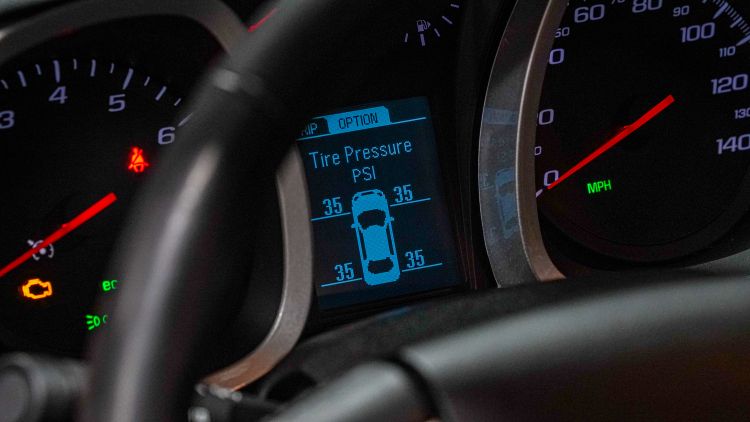
If you follow these steps and always refer to the instructions and safety precautions in your vehicle’s manual, you will be ready for driving every season.
Frequently Asked Questions
How often should I inspect my tires?
Check your tires monthly, before long trips, and after hitting a pothole, curb, or road debris.
How do I check tire tread depth?
You can use a tread depth gauge or even a penny to check that your tire tread depth is over 2/32 of an inch.
How do I know how old my tires are?
Find the DOT tire identification number on the sidewall. The final four digits show the week and year of manufacture.
Do tires sometimes need replacement even if the tread looks good?
Yes. Age, cracking, bulges, air loss, vibration, and uneven wear can all indicate that a tire needs professional inspection or replacement.