







What to Do After Taking Your Boat into Saltwater: A Step-by-Step Cleaning Guide
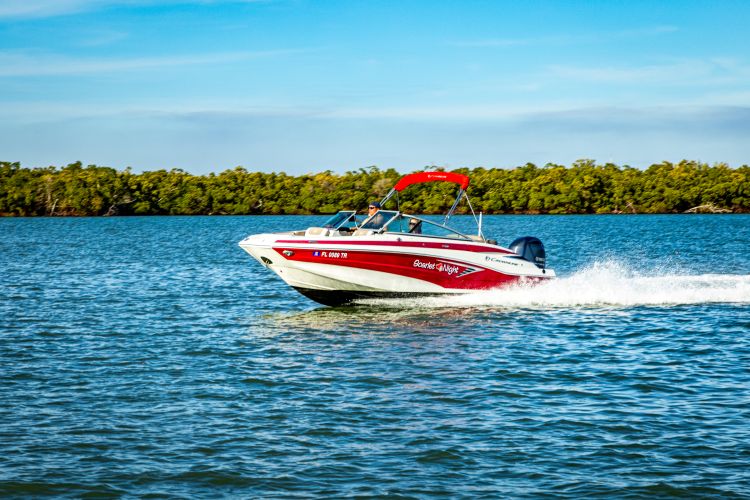
Saltwater boating is hard to beat, whether you’re fishing offshore, cruising the coast, or anchoring at a sandbar for the afternoon. But once the trip is over, the most important question is simple: what should you do after taking your boat into saltwater?
The short answer: rinse, flush, wash, dry, and protect your boat as soon as possible. Salt is corrosive and abrasive, and if it sits on your boat, it can damage metal, fiberglass, electronics, vinyl, fabric, and trailer components.
This guide explains how to clean a boat after saltwater use, what areas need the most attention, and which 303® Marine products can help protect your boat between trips.
Why Saltwater Is So Damaging to Boats
Compared to freshwater, saltwater is far harsher on boats. Here’s why:
- Corrosion: Salt crystals accelerate oxidation and rust on metal parts like engines, propellers, and hardware.
- Abrasive residue: When saltwater dries, it leaves behind deposits that scratch and dull your gelcoat and windshield.
- Moisture retention: Salt attracts water, which means it keeps surfaces damp and more prone to corrosion and mold growth.
- Upholstery and fabric damage: Salt can weaken stitching, fade colors, and make cushions brittle over time.
Damage can start quickly when saltwater is left to dry on your boat. That’s why a consistent post-trip routine is essential for saltwater boat maintenance.
-
Rinse Your Boat Immediately After Saltwater Use
The first and most important step in saltwater boat maintenance is a freshwater rinse. Don’t let saltwater sit and dry on your boat, or you’ll end up with stubborn stains and accelerated corrosion.
Use a hose with solid water pressure and rinse the entire boat, focusing on high-risk areas:
- Metal fittings, cleats, and railings
- Windshield frames and swim ladders
- Anchor and anchor locker
- Outboard bracket and propeller
- Trailer components if applicable
Pro Tip: Start rinsing from the top down. This helps salt run off efficiently instead of dripping back onto areas you already cleaned.
-
Flush the Engine Cooling System
Your boat’s engine takes the hardest hit from saltwater exposure. Even trace amounts of salt inside the cooling system can corrode components and cause blockages.
Here’s how to flush your outboard or inboard engine:
- Connect a freshwater hose to the flushing port (check your owner’s manual for details).
- Start the engine and let it idle for 5–10 minutes to circulate freshwater through the system.
- Disconnect the hose and allow the system to drain completely.
Skipping this step can lead to expensive engine repairs, so make flushing part of your routine after every saltwater outing.
-
Wash Away Salt Residue with Marine Soap
While rinsing removes most salt, it doesn’t eliminate the sticky film that saltwater leaves behind. That’s where a dedicated boat soap comes in.
Use a high-quality wash like 303® Boat Wash, which is designed to cut through salt residue without stripping wax or harming your gelcoat. Work in sections using a soft brush or sponge, and rinse thoroughly as you go.
This step also gives you a chance to inspect your boat closely for:
- Minor scratches or dings
- Early signs of gelcoat blistering
- Stress cracks or chipped paint
Catching small issues early prevents them from turning into major repairs later.
-
Dry the Boat to Prevent Water Spots and Stains
If you let your boat air-dry, you’ll end up with unsightly water spots and mineral stains. After rinsing and washing, dry the boat thoroughly with a microfiber towel or a chamois.
Pro Tip: A leaf blower works wonders for drying hard-to-reach areas like cup holders, cleats, and around railings. It’s faster and reduces the risk of water stains.
-
Protect Your Boat with 303® Marine Products
Now that your boat is clean and dry, the final step is applying protection. Salt, UV rays, and moisture are relentless, and without a protective barrier, your boat’s surfaces will deteriorate quickly.
Here’s how to protect different boat surfaces with 303® boat care products:
- Gelcoat and fiberglass
Apply 303® Touchless Sealant for up to 6 months of protection and a high-gloss shine. After washing, simply spray it on, then immediately rinse it off so it can bond to the surface.
- Upholstery and fabric
Use 303® Marine Fabric Guard on fabric cushions, covers, and tops. It helps repel water, resist mildew, and protect against UV damage.
- Vinyl, plastic, and rubber
Treat vinyl seats, trim, and rubber gaskets with 303® Marine Aerospace Protectant. It helps prevent cracking, fading, and discoloration caused by sun and salt exposure.
Regular protection not only keeps your boat looking sharp but also extends its lifespan.
-
Don’t Forget Your Boat Trailer
Your trailer takes just as much punishment from saltwater as your boat. After every trip, rinse it thoroughly, focusing on:
- Brakes and brake lines
- Axles and leaf springs
- Winch and rollers
Once it’s rinsed, apply a corrosion inhibitor or protective spray like STA-BIL® Rust Stopper to exposed parts. This will help prevent rust and extend the trailer’s service life.
Bonus Tips for Long-Term Saltwater Boat Care
Beyond your regular cleaning routine, these extra steps will help ensure your boat stays in peak condition for years:
- Inspect anodes regularly. Sacrificial anodes protect your metal components from galvanic corrosion. Replace them once they’re halfway worn.
- Wax every few months. A good marine wax or sealant adds another layer of defense against salt, oxidation, and UV rays.
- Check electronics and wiring. Salt and moisture can cause electrical shorts. Inspect and clean connections regularly.
- Store with a quality boat cover. Protecting your boat from UV rays, rain, and airborne salt helps preserve all surfaces.
- Grease moving parts. Apply marine-grade grease to hinges, latches, and steering cables to keep them smooth and rust-free.
Key Takeaways
Saltwater boating doesn’t have to lead to constant repairs or costly replacements. If you rinse, flush, wash, dry, and protect your boat after each saltwater trip, you can help keep it looking better and performing longer.
At 303® Products, we know your boat is an investment. Our marine care line is built to help fight salt, UV rays, moisture, and everyday wear, so saltwater boat maintenance feels easier after every outing.
Ready to protect your boat after saltwater use?
Explore the full range of 303® Marine Products to make cleaning, protecting, and maintaining your boat simple.