






E15 Gasoline & Engine Protection: What the New Waiver Means
What the New E15 Emergency Waiver Regulation Means and How to Protect Your Engine
E15 gasoline is becoming a top concern for equipment owners, classic car enthusiasts, and anyone who relies on small engines. As fuel prices fluctuate and energy policy continues to evolve, one blend of gasoline is getting more attention than ever: E15. Containing 15% ethanol and 85% gasoline, E15 has been positioned as a cost-effective, domestically produced fuel alternative. But with new regulatory changes expanding its availability, many consumers are left wondering: what does this mean for your engine and how can you protect it?
For equipment owners, classic car enthusiasts, and anyone relying on small engines, understanding ethanol’s impact is more important than ever. Let’s break down the latest E15 regulations, the realities of ethanol-blended fuel, and how to prevent potential damage.
The New E15 Regulation: What’s Changing?
In 2026, the U.S. Environmental Protection Agency (EPA) issued a temporary waiver allowing E15 gasoline to be sold nationwide during the summer months; something typically restricted due to concerns about smog and evaporation (US EPA). This move is part of a broader effort to increase fuel supply and lower prices at the pump.
Traditionally, E15 sales have been limited in warmer months because higher ethanol blends can contribute to increased emissions under certain conditions. However, recent supply pressures and geopolitical factors have led regulators to loosen these restrictions, at least temporarily.
At the same time, lawmakers and industry groups are actively pushing for permanent, year-round E15 availability. While this could offer cost savings and energy independence benefits, it also raises important questions about compatibility and long-term engine health.
What Is Ethanol and Why Is It in Gasoline?
Ethanol is an alcohol-based fuel, most commonly derived from corn in the United States. It’s blended into gasoline to reduce emissions, support renewable energy goals, and extend fuel supply.
Most drivers are already familiar with E10 (10% ethanol), which is widely used across the country. E15 simply increases that ethanol content by 50%. With this new regulation, expect E15 to be the norm at may gas stations.
On paper, ethanol has some clear advantages:
- It burns cleaner than pure gasoline
- It reduces reliance on fossil fuels
- It can lower fuel costs
But ethanol also behaves very differently from gasoline and that’s where challenges arise.
The Downsides of Ethanol-Blended Fuel
While E15 is approved for use in most cars manufactured after 2001, it is not safe or legal for many other engines. This includes small engines like those found in lawnmowers, chainsaws, boats, and motorcycles (Consumer Reports).
Here’s why ethanol can be problematic:
1. Moisture (Water Absorption)
Ethanol is hygroscopic, meaning it attracts and absorbs water from the air. Over time, this can lead to phase separation, where water and ethanol separate from gasoline, resulting in poor combustion and potential engine damage.
2. Corrosion and Material Degradation
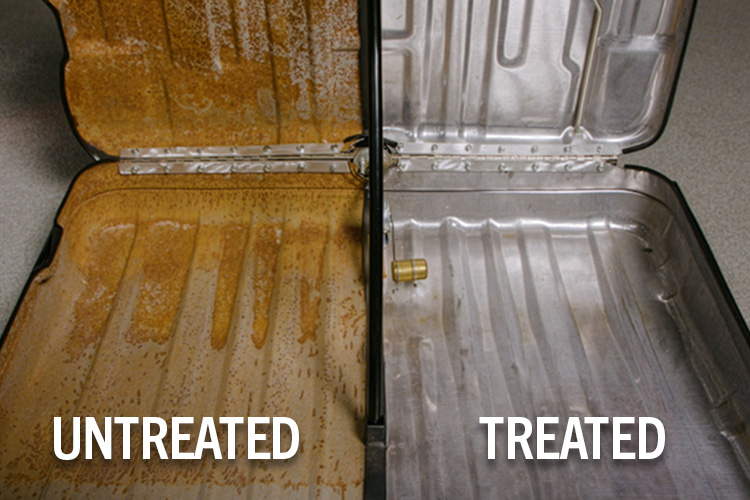
Ethanol can break down rubber, plastic, and certain metals commonly found in older fuel systems. This can lead to cracked fuel lines, degraded seals, and clogged carburetors.
3. Reduced Fuel Efficiency
Ethanol contains less energy per gallon than gasoline. As a result, E15 can reduce fuel economy and performance, sometimes offsetting any cost savings at the pump (https://www.ksla.com).
4. Increased Engine Temperatures
Higher ethanol blends can cause engines to run leaner and hotter, especially in systems not designed to compensate for the change. This can increase wear and, in extreme cases, cause engine failure.
5. Storage Instability
Ethanol-blended fuels degrade faster than pure gasoline. This is especially problematic for seasonal equipment or vehicles that sit unused for long periods.
Who Should Be Concerned?
While modern vehicles are generally compatible with E15, many Americans rely on equipment that is not:
- Lawn and garden equipment
- Boats and marine engines
- Motorcycles and ATVs
- Classic and collector cars
- Generators and power equipment
Using E15 in these applications isn’t just risky, it can be illegal and void manufacturer warranties (Yahoo Autos).
How to Protect Your Engine from E15 Ethanol Damage
The good news? Ethanol-related issues are largely preventable with the right approach. As E15 becomes more common, protection is less about occasional fixes and more about consistent fuel system care. Here’s how to stay ahead:
1. Use the Right Fuel
Always check your owner’s manual. If your equipment isn’t rated for E15, stick with E10 or ethanol-free gasoline whenever possible. Using the correct fuel is your first line of defense against unnecessary wear and damage.
-
Prioritize Fuel System Cleaning
Ethanol can leave behind deposits and residue as it moves through your engine. Over time, this buildup can clog carburetors, restrict injectors, and reduce performance. Regular fuel system cleaning helps maintain proper flow, improve efficiency, and prevent rough starts or stalling, especially important with higher ethanol blends.
-
Use STA-BIL In-Season Protection Fuel Treatment
For engines in regular use, STA-BIL In-Season Protection Fuel Treatment helps keep your fuel system clean while you run your equipment. It works continuously to remove buildup, help prevent corrosion, and support consistent performance. Adding it at each fill-up is a simple way to combat ethanol-related issues before they start.
-
Keep Fuel Fresh
Avoid letting fuel sit too long. Ethanol blends degrade faster, so using fresh fuel and treating it with a stabilizer like STA-BIL Storage reduces the risk of moisture buildup and performance loss.
-
Stay Ahead with Routine Maintenance
Small habits like monitoring performance, checking components, and using a fuel treatment and stabilizer can prevent larger repairs down the line.
The Bottom Line: Be Informed, Stay Protected
E15 gasoline is likely here to stay and may become even more widespread as regulations evolve. While it offers benefits like lower costs and increased fuel supply, it’s not a one-size-fits-all solution.
Understanding the differences between fuel types, knowing what your engine can handle, and taking proactive steps to protect your equipment are essential in this new fuel landscape.
That’s where STA-BIL comes in. By treating the fuel with a product like STA-BIL In-Season Protection you can make sure your fuel system stays clean, free of gum and varnish and corrosion free for strong starts throughout the season.