






Annual Boat Maintenance Checklist
Owning a boat is a source of joy and freedom, but it also comes with responsibility. Regular upkeep ensures your vessel remains safe, efficient, and ready for the water when you are. One of the best ways to stay ahead of problems is by following a comprehensive annual boat maintenance checklist. Whether you are preparing for spring launch or wrapping up the boating season, these steps will help extend the life of your boat, preserve its value, and give you peace of mind on the water.
Why Annual Boat Maintenance Matters
Boats are exposed to tough conditions including salt, sun, moisture, and fluctuating temperatures. Neglecting regular maintenance can lead to costly repairs, safety issues, and reduced performance. A yearly routine helps you:
- Identify small problems before they become expensive.
- Keep the engine running smoothly.
- Prevent corrosion and fuel issues.
- Protect surfaces from sun damage and fading.
- Ensure your boat looks as good as it runs.
By sticking to a checklist, you make sure no critical system or surface is overlooked.
-
Inspect and Service the Engine
Your boat’s engine is the heart of its performance. At least once a year, give it a complete checkup.
- Oil and Filters: Change the oil and replace the oil filter. Old oil can lead to engine wear and overheating.
- Fuel System: Look for leaks, brittle hoses, or signs of corrosion. Replace any worn parts.
- Cooling System: Flush the cooling system and check coolant levels if applicable.
- Belts and Cables: Inspect for fraying or cracking. Tension should be correct, and connections tight.
- Battery: Clean terminals and ensure it is holding a charge. Test voltage to confirm reliability.
This once-a-year service is a crucial step to long-term engine health and can help prevent issues that lead to downtime, limiting the use of your boat.
-
Fuel System Care
Fuel problems are among the most common causes of engine trouble. An annual inspection of the fuel system prevents headaches down the line.
- Inspect fuel lines, clamps, and vents for wear or damage.
- Replace the fuel filter annually.
- Drain and clean the fuel tank if you notice debris or contamination.
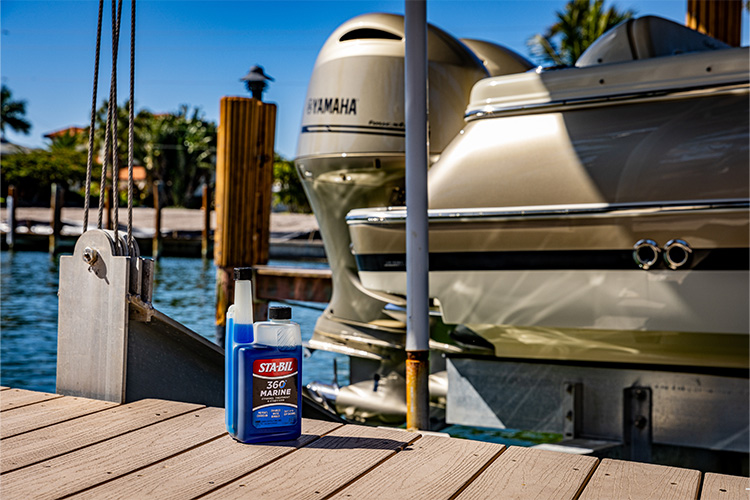
- Add a high-quality fuel-system cleaner and ethanol treatment to ensure the fuel system is clean, remove any water in the fuel and help combat ethanol related issues.
Proper fuel care ensures smooth starts, consistent power, and less risk of costly breakdowns.
-
Electrical System Check
Electrical issues can leave you stranded, so a yearly check is essential.
- Test all lights, including navigation and interior lighting. Replace any burned-out bulbs.
- Check the wiring for corrosion, loose connections, or fraying insulation.
- Test the bilge pump and float switch to ensure proper operation.
- Verify that the horn, radio, GPS, and other electronics are working correctly.
A little time spent on the electrical system now prevents safety concerns later.
-
Propeller and Hull Inspection
The propeller and hull have a direct impact on fuel efficiency and performance.
- Propeller: Remove and inspect for dings, cracks, or distortion. Even small imperfections can reduce efficiency. Make sure the propeller nut is secure and replace any worn parts.
- Hull: Look for blisters, cracks, or chips in the gel coat. Repairing minor issues quickly prevents them from spreading.
- Bottom Cleaning: If your boat stays in the water, give the hull or pontoons a thorough cleaning to remove algae and barnacles.
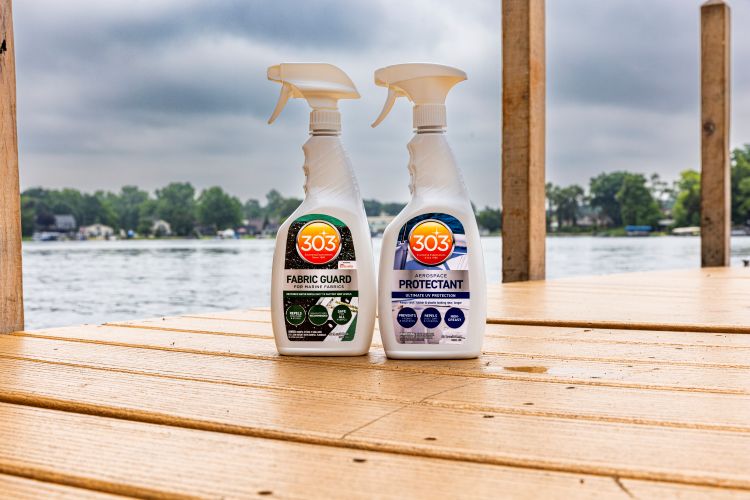
Applying a protectant to your boat’s surfaces helps maintain shine and resist UV damage. Products like 303® Marine Aerospace Protectant provide a layer of defense against sun, salt, and stains while keeping surfaces looking like new.
-
Safety Gear and Equipment
Safety should always be a top priority. Each year, review all onboard safety equipment.
- Life Jackets: Make sure you have enough for all passengers and check for tears, mildew, or broken straps.
- Fire Extinguishers: Verify expiration dates and ensure they are fully charged.
- First Aid Kit: Restock any missing or expired items.
- Flares and Signaling Devices: Replace expired flares and test whistles, horns, or other signaling tools.
- Anchor and Lines: Check for wear, fraying, or damage.
Confirm compliance with U.S. Coast Guard regulations to avoid penalties and ensure passenger safety.
-
Steering and Control Systems
A boat’s handling depends on reliable steering and throttle systems.
- Inspect steering cables and hydraulic systems for leaks or damage.
- Lubricate moving parts as needed.
- Test the throttle and shift controls to make sure they operate smoothly without sticking.
Routine attention helps avoid steering failures, which can be dangerous if they happen on the water.
-
Trailer Maintenance
If your boat spends time on a trailer, annual upkeep of the trailer is just as important as the vessel itself.
- Tires: Inspect for cracks, bulges, or low tread. Check tire pressure before each trip.
- Brakes: If equipped, inspect and service trailer brakes annually.
- Lights: Test brake lights and turn signals to ensure visibility on the road.
- Winch and Straps: Inspect for wear and replace if damaged.
- Wheel Bearings: Grease bearings annually to prevent seizing.
A reliable trailer ensures safe transport and prevents unexpected roadside breakdowns.
-
Cleaning and Protecting Surfaces
Regular cleaning is part of good seamanship. At least once a year, do a deep clean to restore and protect every surface.
- Vinyl Seats and Upholstery: Wash with a mild cleaner and protect against fading, cracking, and mildew with a UV-protective product.
- Canvas and Covers: Clean thoroughly and reapply water-repellent treatments if needed.
- Windows and Plastic Surfaces: Use a cleaner safe for plastics to avoid clouding or scratching.
A protectant like 303® Marine Aerospace Protectant is especially effective at blocking UV rays and preventing premature wear on vinyl, rubber, and plastic.
-
Documentation and Records
Keeping detailed maintenance records not only helps you stay organized but also increases resale value.
- Log all oil changes, filter replacements, and inspections.
- Record dates for safety gear updates and battery replacements.
- Keep receipts for any professional service work performed.
An organized maintenance history demonstrates responsible ownership and gives confidence to future buyers.
-
Winterization or Seasonal Prep
If you live in a colder climate, winterizing your boat is a critical annual step.
- Drain water from the engine and replace with antifreeze as required.
- Stabilize the fuel to prevent degradation during storage.
- Remove electronics and valuables to a safe, dry place.
- Cover the boat with a quality, breathable cover to protect from moisture and pests.
In warmer climates, prepping for a new season involves rechecking fluid levels, inspecting hoses and belts, and ensuring the battery is fully charged.
Additional Tips for Long-Term Care
- Rinse your boat with fresh water after every saltwater trip to prevent corrosion.
- Stick to a routine cleaning schedule during boating season to reduce build-up.
- Walk around the boat monthly to spot signs of wear before they worsen.
- Store the boat in a covered area when possible, to protect from the elements.
Key Takeaways:
A well-maintained boat is safer, more reliable, and more enjoyable to operate. By following this annual checklist, you can keep your vessel in peak condition and minimize costly repairs. Products designed specifically for marine environments, such as STA-BIL® fuel treatments and 303® surface protectants, can be valuable tools in your maintenance routine, but the most important factor is consistency.
Treat your maintenance checklist as a non-negotiable part of boat ownership and you will spend less time dealing with repairs and more time enjoying the water.